


Latest KFF Health News Stories
Opinion writers weigh in on these pandemic topics and others.

Before ‘Tidal Wave’ Of Illness, Nursing Home Thought It Had COVID-19 Contained
Though it already had one staff member testing positive for the coronavirus, the Gallatin Center for Rehabilitation and Healing did not tell 911 operators this fact as it called ambulances to take residents in respiratory distress to the hospital, a WPLN investigation reveals.
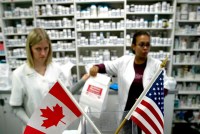
Amid Pandemic, FDA Seizes Cheaper Drugs From Canada
Many Americans order drugs from Canada and other countries because they are cheaper, but U.S. authorities appear to be cracking down on the practice.

‘An Arm And A Leg’: Am I Protected If I Need COVID-19 Care?
“An Arm and a Leg” is back sharing stories about the ways COVID-19 intersects with the cost of health care. To tackle a listener’s question about health coverage, Dan Weissmann spoke with one of the country’s top insurance nerds.
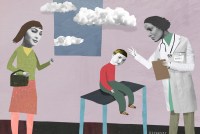
How Climate Change Is Putting Doctors In The Hot Seat
Health care providers are seeing the effects of climate change in hospitals across the U.S. ― and urging their peers to take action.
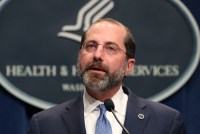
In Fine Print, HHS Appears To Ban All Surprise Billing During The Pandemic
Language in the CARES Act says providers who take emergency funding cannot balance-bill coronavirus patients ― and “every patient” is considered a possible COVID-19 patient.

Listen: Battling The Coronavirus While Reopening The Economy
KHN’s Julie Rovner discusses the Trump administration’s blueprint for reopening the economy and its effect on public health on WBUR’s “On Point.”

Must-Reads Of The Week From Brianna Labuskes
Newsletter editor Brianna Labuskes wades through hundreds of health care policy stories each week, so you don’t have to.
Each week, KHN finds interesting reads from around the Web.
Although Congress has focused much attention on air ambulance bills, the cost of normal ground emergency transportation is a more wide-spread issue. In other health industry news: ambulatory surgery centers, Medicare payments for inpatient rehab, and fees for a cancer center.
‘Mistaken Reporting Occurred’: China Revises Wuhan Death Toll Upwards By 50%
State-run television announced that the Chinese government revised the Wuhan death toll to 3,869. The number of confirmed cases was also increased by 325, bringing the total for the city to 50,333 — approximately 60% of mainland China’s reported infections. The report said that several medical institutions failed to report their numbers in a timely matter.
Doctors Call On HHS To Help Address Racial Disparities In Treatment Of Coronavirus Patients
Research has found that black Americans have a disproportionately higher risk of contracting and dying of COVID-19, which is a reflection of broader disparities in the health system that have just been exacerbated by the pandemic.
Opinion writers weigh in on these pandemic issues and others.
Safety Protections Lacking For Millions Of Essential Workers, Report Says
ProPublica reports on thousands of complaints filed by workers to the U.S. Occupational Safety and Health Administration at a time when the agency has issued a series of guidelines that roll back safety standards and eliminate most non-health care workers from government protection. News on workers is on the call for hazard pay, sick leave and unclear directives for Indiana businesses, as well.
Media outlets report on news from California, Texas, the District of Columbia, Maryland, Virginia, Illinois, Massachusetts, Wisconsin and Michigan.
New EPA Mercury Pollution Rule Loosens Restrictions On Coal-Plant Emissions
The Trump administration rolled back an Obama-era regulation that required U.S. coal plants to cut back emissions of mercury and other air pollutants by revising the math the government uses to value human health. “We have put in place an honest accounting method that balances,” said EPA Administrator Andrew Wheeler, a former coal lobbyist.
Blood-Shortage Aid: Group Of Doctors Pushes For FDA To Let Gay Men Donate Blood
The FDA started banning donations from gay men in 1983, early in the AIDS epidemic. While the agency recently shortened the wait period when blood donations dropped during the pandemic, doctors say science-based evidence shows that ruling doesn’t go far enough. Other public health news reports on domestic violence rising in New York City, Facebook misinformation, divorce attorneys awaiting business, extremists’ perfect storm, and tech efforts to track data, as well.
Scientists around the globe race to unlock the mysteries of the novel coronavirus. Sometimes it gives up its secrets and sometimes the answers just lead to more questions.
Stress Of Pandemic Reveals Just How Fragile That Booming Economy Was In The First Place
In four weeks, the country has plunged into Great Depression-levels of unemployment, and the swift economic devastation shows just how vulnerable the system was at a time that appeared like great growth and prosperity. “We built an economy with no shock absorbers,” said Joseph Stiglitz, a Nobel-winning economist. “We made a system that looked like it was maximizing profits but had higher risks and lower resiliency.”
Only about $30 billion has been distributed thus far from a pot of $100 billion earmarked for hospitals and health-care providers. In addition to that, the distribution of the relief money didn’t take hot spots into account, so the places that in most need say they are getting shortchanged.