


Latest KFF Health News Stories
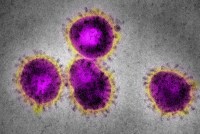
Growing Concerns Of Coronavirus Should Spur Plans – Not Panic – In The Workplace
Even in the event of an outbreak, employers have to follow certain rules in their efforts to protect employees from this virus.
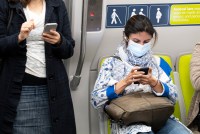
New California Coronavirus Case Reveals Problems with U.S. Testing Protocols
Disease experts say a new coronavirus case in California underscores the need for more widespread community testing for the illness, as well as problems caused by the delays in getting functional coronavirus test kits to state and local public health agencies.
KHN’s ‘What The Health?’: Prepping For A Possible Pandemic
Official Washington is sitting up and taking notice of the threat from the novel coronavirus as Congress and the Trump administration prepare for a potential pandemic. Meanwhile, the Democratic candidates for president are still arguing about “Medicare for All.” Joanne Kenen of Politico, Kimberly Leonard of the Washington Examiner and Shefali Luthra of Kaiser Health News join KHN’s Julie Rovner to discuss this and more. Also, Rovner interviews NPR’s Sydney Lupkin about the latest “Bill of the Month” installment.

Tarea del día: deletrear y ponerse los anteojos
Al menos el 20% de los niños en edad escolar en los Estados Unidos tienen problemas de visión. Pero según los CDC, menos del 15% tiene un examen de la vista antes de empezar el jardín.
Opinion writers weigh in on these health care topics and others.
Editorial pages focus on issues surrounding the spread of coronavirus.
Research Roundup: Flu Vaccine; Vitamin D And Pregnancy; Medical Student Mistreatment; And More
Each week, KHN compiles a selection of recently released health policy studies and briefs.
Media outlets report on news from Georgia, Texas, Colorado, Mississippi, New York, California, North Carolina, Pennsylvania, New York and Massachusetts.
Johnson & Johnson is underwriting the conference scheduled for June. “The pharmaceutical sponsorship is a problem for a conference on this topic. We need to extract medical research, education, and practice from the all-pervasive and distorting influence of industry,” said Fiona Godlee, the editor-in-chief of BMJ, who rejected an invitation to appear as a panelist. Physician news is also on consolidated practices.
Sens. Chuck Grassley (R-Iowa) and Ron Wyden (D-Ore.) threaten Cigna Corp.’s Express Scripts with a subpoena after they say the pharmacy benefit manager failed to comply with an investigation of rising insulin costs. Meanwhile, lawmakers seek answers on how unofficial advisers may have influenced President Donald Trump’s decision to endorse a risky antidepressant for veterans.
They’ve trained hundreds of thousands of officers about how to approach people with special needs. Public health news is on pedestrian deaths, widowhood and dementia, migraines, adult obesity, an E. coli outbreak, mental health, and children and nature, as well.
Lt. Gov. Mandela Barnes said it was Wisconsin’s 11th mass shooting since 2004, and he urged residents to “never grow comfortable in the face of these repeated tragedies.”
Media outlets take a look at the global response to the coronavirus outbreak.
The Washington Post fact checks recent claims former Vice President Joe Biden made about the Trump administration’s food stamp policy changes. In other news from the campaign trail: Michael Bloomberg’s previous public health policies, the immigrant population’s affect on the elections, and “Medicare for All” ads.
What Should You Do In The Face Of Potential U.S. Coronavirus Outbreak? Keep Calm And Carry On
“Don’t let fear and emotion drive the response to this virus,” said Timothy Brewer of UCLA. The Washington Post spoke to epidemiology experts to find out what Americans should be doing as they watch nervously for more coronavirus cases. In other news: the mask industry is booming, but there’s no need for one if you’re a healthy adult; health workers question safety measures; a look at asymptomatic patients; and what social media sites are doing to combat misinformation.
Though the evidence to date suggests this virus doesn’t inflict severe disease on children, there’s reason to think kids may be helping to amplify transmission–just like they do during the regular flu season. Experts say that figuring out how the coronavirus interacts with children might be crucial in containing its spread.
There are currently no approved treatments for illnesses caused by coronaviruses, including the new one, known as COVID-19. Meanwhile, top FDA officials warn that potential treatments, like Gilead’s drug remdesivir, are going to come long before vaccines make it to market. Meanwhile, concerns about the drug supply into the United States heat up.
China is continuing to take measures to try to contain the rapidly spreading outbreak after there was a slight uptick in number of cases reported from the previous day.
A spike in HIV cases leading to a state of emergency was attributed to decisions made by then-Indiana Gov. Mike Pence. Now that Pence is tapped by President Donald Trump to lead the federal COVID-19 response, critics wonder if he’s up to the task. Meanwhile, CDC Director Robert Redfield fends off a wave of criticism over how the agency handled the early days of the outbreak and a faulty CDC test that has left states unable to detect new cases.
Trump Downplays Americans’ Coronavirus Risk, Puts Pence In Charge Of Handling Outbreak Response
President Donald Trump’s messaging about just how low a risk Americans face was at odds with other top administration officials, who have warned in recent days that the virus is likely to be disruptive to Americans’ lives. “We can expect to see more cases in the United States,” HHS Secretary Alex Azar was quick to point out at the press conference. Health experts have been critical about the mixed messages. Meanwhile, Vice President Mike Pence said his role would be to work with the task force to bring the “best options for action” to the president and to “see to the safety and well-being and health of the American people.”