Rising Malpractice Premiums Price Small Clinics Out of Gender-Affirming Care for Minors
Even in states where laws protect minors’ access to gender-affirming care, malpractice insurance premiums are keeping small and independent clinics from treating patients.

States Begin Tapping Medicaid Dollars to Combat Gun Violence
The Biden administration is allowing states to use money from the insurance program for low-income and disabled residents to pay for gun violence prevention. California and six other states have approved such spending, with more expected to follow.

Can Family Doctors Deliver Rural America From Its Maternal Health Crisis?
Family medicine doctors already deliver most of rural America’s babies, and efforts to train more in obstetrics care are seen as a way to cope with labor and delivery unit closures.

States Expand Health Coverage for Immigrants as GOP Hits Biden Over Border Crossings
More than 1 million immigrants, most lacking permanent legal status, are covered by state health programs. Several states, including GOP-led Utah, will soon add or expand such coverage.
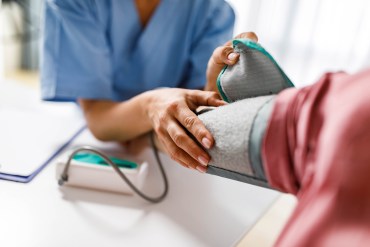
La mayoría de los adultos sin papeles trabajan, representan aproximadamente el 5% de la fuerza laboral nacional, según el Pew Research Center.
Millions in Opioid Settlement Funds Sit Untouched as Overdose Deaths Rise
Some states haven’t begun using opioid settlement funds intended to help curb the opioid epidemic. Meanwhile, more than 100,000 Americans died of an overdose last year.

As Foundation for ‘Excited Delirium’ Diagnosis Cracks, Fallout Spreads
Major policy changes and disavowals have made this a watershed year for curbing the use of the discredited “excited delirium” diagnosis to explain deaths in police custody. Now the ripple effects are spreading across the country into court cases, state legislation, and police training classes.

Colorado Blames Biden Team and Drugmakers for Delaying Canadian Imports
Colorado officials say they haven’t been able to stand up a program to import drugs from Canada because of drugmaker opposition — and the Biden administration’s inaction.

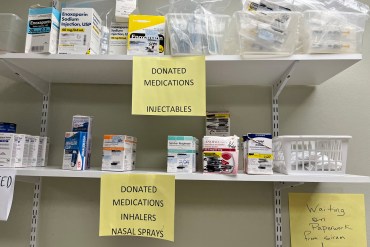
These Programs Put Unused Prescription Drugs in the Hands of Patients in Need
States and counties look to expand programs that accept donations of unused surplus drugs from places like nursing homes and hospitals and redistribute them to low-income and uninsured residents.
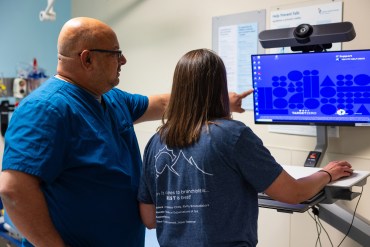
Why It’s So Tough to Reduce Unnecessary Medical Care
Treatments that don’t help patients, and may even harm them, are difficult to eliminate because they can be big sources of revenue.
Ohio Voted on Abortion. Next Year, 11 More States Might, Too.
Ohio is the latest state where voters have directly weighed in on abortion, and the next wave of such ballot measures is in the works in at least 11 other states, including Missouri.

Storing Guns Away From Home Could Reduce Suicides, but Legal Hurdles Loom
Safe storage maps show gun owners where to put their firearms for safekeeping if they experience a mental health crisis. The idea has support among some gun enthusiasts, but legal obstacles threaten wider adoption.

Feds Try to Head Off Growing Problem of Overdoses Among Expectant Mothers
Homicides, suicides, and drug overdoses have driven rising rates of pregnancy-related death in the U.S. This fall, six states received federal funding for substance use treatment interventions to prevent at least some of those deaths.

Covid Relief Payments Triggered Feds to Demand Money Back From Social Security Recipients
Some Social Security beneficiaries say the government is clawing back benefits after they received covid stimulus payments that were supposed to be exempt from asset limits.

Doctors Abandon a Diagnosis Used to Justify Police Custody Deaths. It Might Live On, Anyway.
The American College of Emergency Physicians agreed to withdraw its 2009 white paper on excited delirium, removing the only official medical pillar of support left for the theory that has played a key role in absolving police of culpability for in-custody deaths.
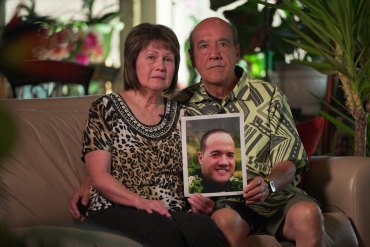
Feds Hope to Cut Sepsis Deaths by Hitching Medicare Payments to Treatment Stats
A new rule sets specific treatment metrics for suspected sepsis cases in an effort to reduce deaths, but some experts say the measures could add to antibiotic overuse and need to be more flexible.

Hospitales perderán reembolsos de Medicare si no combaten mejor la mortal sepsis
La sepsis es la respuesta extrema del organismo a una infección y afecta cada año a 1,7 millones de adultos en Estados Unidos.
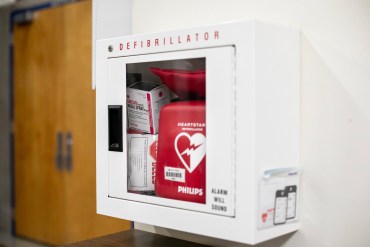
More Schools Stock Overdose Reversal Meds, but Others Worry About Stigma
Colorado is among several states that ensure schools have access to the opioid overdose reversal medication naloxone for free or at reduced cost. But most districts hadn’t signed up by the start of the school year for a state distribution program amid stigma around the lifesaving treatment.
Más escuelas tienen el medicamento para revertir sobredosis, pero otras se preocupan por el estigma
La Administración de Salud Mental y Abuso de Sustancias federal recomienda que las escuelas, incluidas las primarias, tengan naloxona disponible, ante el aumento de las sobredosis mortales de opioides, especialmente de la potente droga fentanilo.
Police Blame Some Deaths on ‘Excited Delirium.’ ER Docs Consider Pulling the Plug on the Term.
The American College of Emergency Physicians will vote in early October on whether to disavow its 2009 research paper on excited delirium, which has been cited as a cause of death and used as a legal defense by police officers in several high-profile cases.