States Offer Perks To Attract Healthcare Workers to Rural Areas — With a Catch
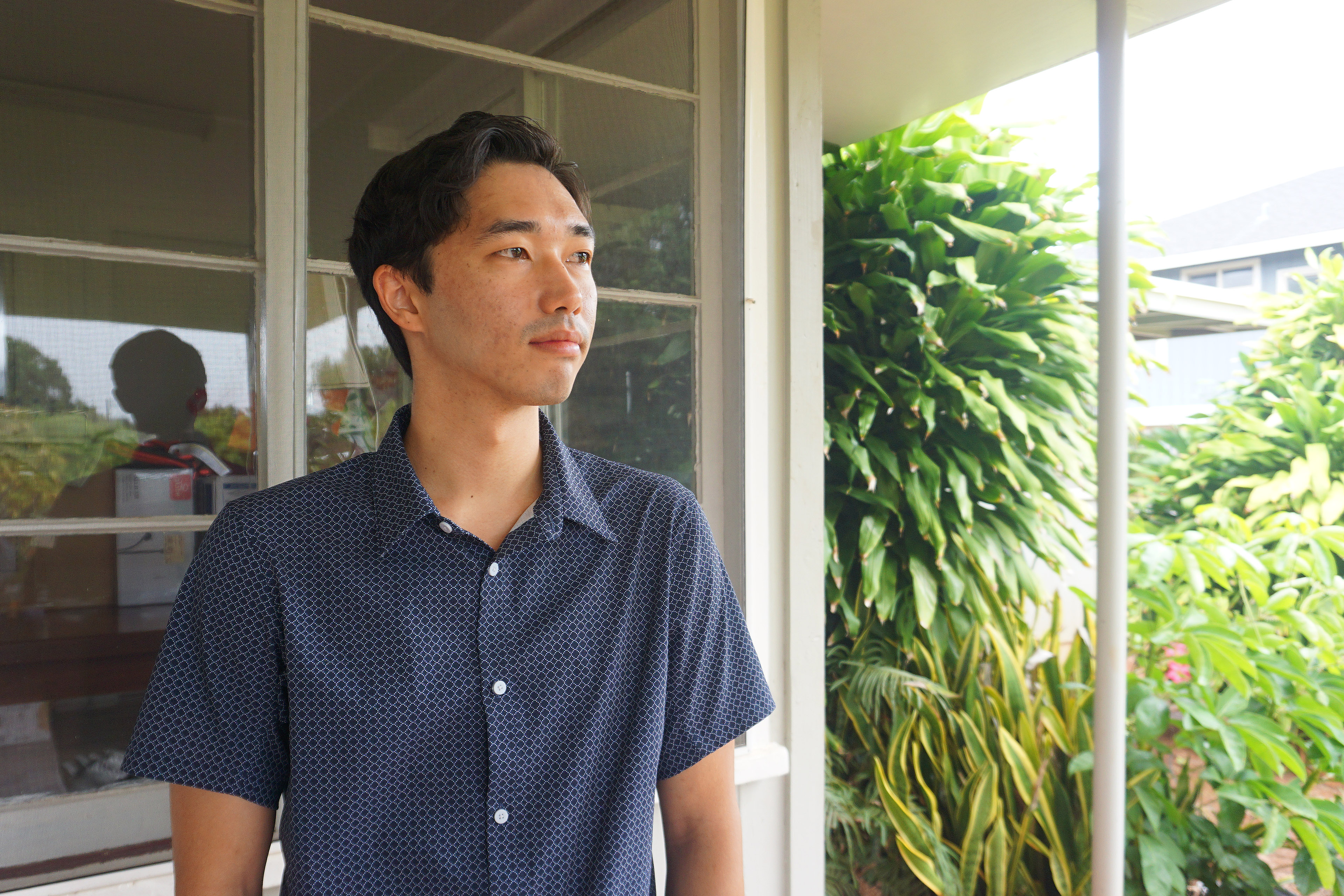
Dylan Lawton was in his third year of medical school when he was diagnosed with stage 4 lung cancer. He is committed to practicing medicine on the island of Kaua‘i in Hawai‘i, but his ongoing cancer treatment is unavailable there. (Ashley Mizuo/KFF Health News)
LĪHUʻE, Hawaiʻi — Dylan Lawton realized something was wrong when he struggled to use his right leg to hit the brakes while driving.
Within a matter of hours, scans showed the third-year medical student had a brain tumor. But the island of Kauaʻi, where he was completing his clinical rotation, has no neurosurgeons. So Lawton was medically evacuated on a plane to Straub Benioff Medical Center on O‘ahu, Hawaiʻi’s most populous island. There, the then-27-year-old was diagnosed with a type of lung cancer commonly found in nonsmokers, which was stage 4 and had spread to his brain.
Lawton said he wasn’t surprised by the extent of the healthcare shortages on Kauaʻi. Although he’s from Oʻahu, he grew up aware that his uncle on Kauaʻi needed to travel off-island to receive cancer treatment. It was one reason Lawton chose to participate in the University of Hawaiʻi medical school program that trains students on rural Kauaʻi, his grandparents’ home island. The cost of medical school is covered if the students practice medicine for four years on Kauaʻi after completing their residency. But now he needs ongoing, specialized treatment in a place with limited resources and only one full-time oncologist, who practices outside the hospital system where Lawton receives his treatment.
“I am experiencing the very thing that I was brought to fix,” Lawton said. “It crosses my mind all the time.”
Similar recruitment and retention programs to attract healthcare professionals to work in rural areas received a significant boost from the $50 billion Rural Health Transformation Program, created by President Donald Trump’s signature One Big Beautiful Bill Act. At least 38 states, including Hawaiʻi, plan to use some of those dollars to incentivize more healthcare providers to practice in their rural areas.
Under the law, providers who get such incentives must practice in rural spots for at least five years, longer than in Lawton’s program. States hope the effort will address rural healthcare workforce shortages.
But juggling partners’ jobs, family obligations, and even medical issues — as Lawton’s extreme case shows — can shift medical providers’ willingness or ability to stay. And critics are calling the five-year federal requirement unrealistic, adding to the question of whether such incentives can even solve the problem.
Some students may not fully grasp the implications of the commitment. If they don’t complete the five years, they may have to pay back the funds, which states can prorate to reflect any years of service completed. States must provide “documentation substantiating a provider’s death or disability” to request permission from federal officials to forgive the debt, according to the federal rules.

A Five-Year Commitment
The Bipartisan Policy Center released a report that questioned the likely effectiveness of the rural fund’s five-year service requirement. Maya Sandalow, who worked on the report as director of the organization’s health program, said she heard from many healthcare providers that the five-year service requirement was too rigid, especially for lower-paid medical professionals, such as behavioral health support specialists or community health workers.
“The requirement might be a pretty big one compared to the level of award that that individual is receiving, no matter what the degree is,” she said.
For example, Michigan is offering scholarships to students training to be emergency medical service professionals. But even though less training is required to become an EMT, those students will be held to the same five-year service commitment as physicians.
Few programs have required such a long commitment. One of the longest is for the National Health Service Corps, which requires a service commitment of two to four years.
Although about 80% of Health Service Corps participants continue to work in a health professional shortage area one year after completing their service obligation, according to a federal report, fewer than half stay in the same county. The retention rate of clinicians who continue to work in health professional shortage areas continues to drop in years two and three after they complete service obligations.
The Centers for Medicare & Medicaid Services, which oversees the Rural Health Transformation Program, declined to comment on the record about the five-year service requirement.
Donald Pathman, a professor at the University of North Carolina School of Medicine who studies workforce incentive programs for physicians, pointed to two provisions in the Rural Health Transformation Program service requirements that allow for flexibility. One allows participants to move around the state throughout their service as long as they continue to practice in rural areas. The other largely leaves it to states to create the incentive programs in whatever way suits their needs, outside of the five-year service commitment.
“There’s not any heavy hand in federal requirements with this,” Pathman said, adding that the flexibility may come with some risk. “We’re hoping 50 states get this right.”

Retention Efforts
Federal officials list workforce development as a main goal of the Rural Health Transformation Program. Over 100 million people nationwide live in areas with a health professional shortage, according to the federal Health Resources and Services Administration. And rural areas represent 62% of the places with a shortage of primary care professionals.
States are trying various tactics beyond direct incentives to fill those gaps with money from the program. For example, Wisconsin, Idaho, and Kansas are developing programs that target children as young as middle school to create clearer pathways into health-related careers. And Rhode Island is using some of its funding to renovate housing for healthcare workers.
The federal bill that created the rural fund also capped federal loans for graduate professional education — including medical, dental, and law school — at $50,000 a year, or a total of $200,000. It was intended to lower the costs of higher education, but healthcare experts warn that the caps will make it harder for many students to enter the industry without workforce incentive programs to offset their costs.
Hawaiʻi estimates it is already facing a shortfall of 833 physicians, which is especially acute outside of Oʻahu, where healthcare services are concentrated. The state ranked 36th in the nation in the number of primary care providers per capita in 2025.
The state is using some of its Rural Health Transformation Program funds on recruitment and retention initiatives that expand on established programs, such as the Kauaʻi Medical Training Track, which is funded by Facebook founder Mark Zuckerberg and wife Priscilla Chan, a trained pediatrician, who own an estate on the island.
With the new federal funds, the state will provide up to $200,000 each to select healthcare workers who agree to practice in a rural area of Hawaiʻi for at least five years. Some of those providers could practice on Kauaʻi, adding to the medical base created through the Chan-Zuckerberg funding.
The Kauaʻi Medical Training Track, run by the University of Hawai‘i, is still in its early phases. The first cohort of students recently graduated and started residencies this summer, so the program awaits its first returning doctors. Kaua‘i has only one residency option, family medicine, which started this year.
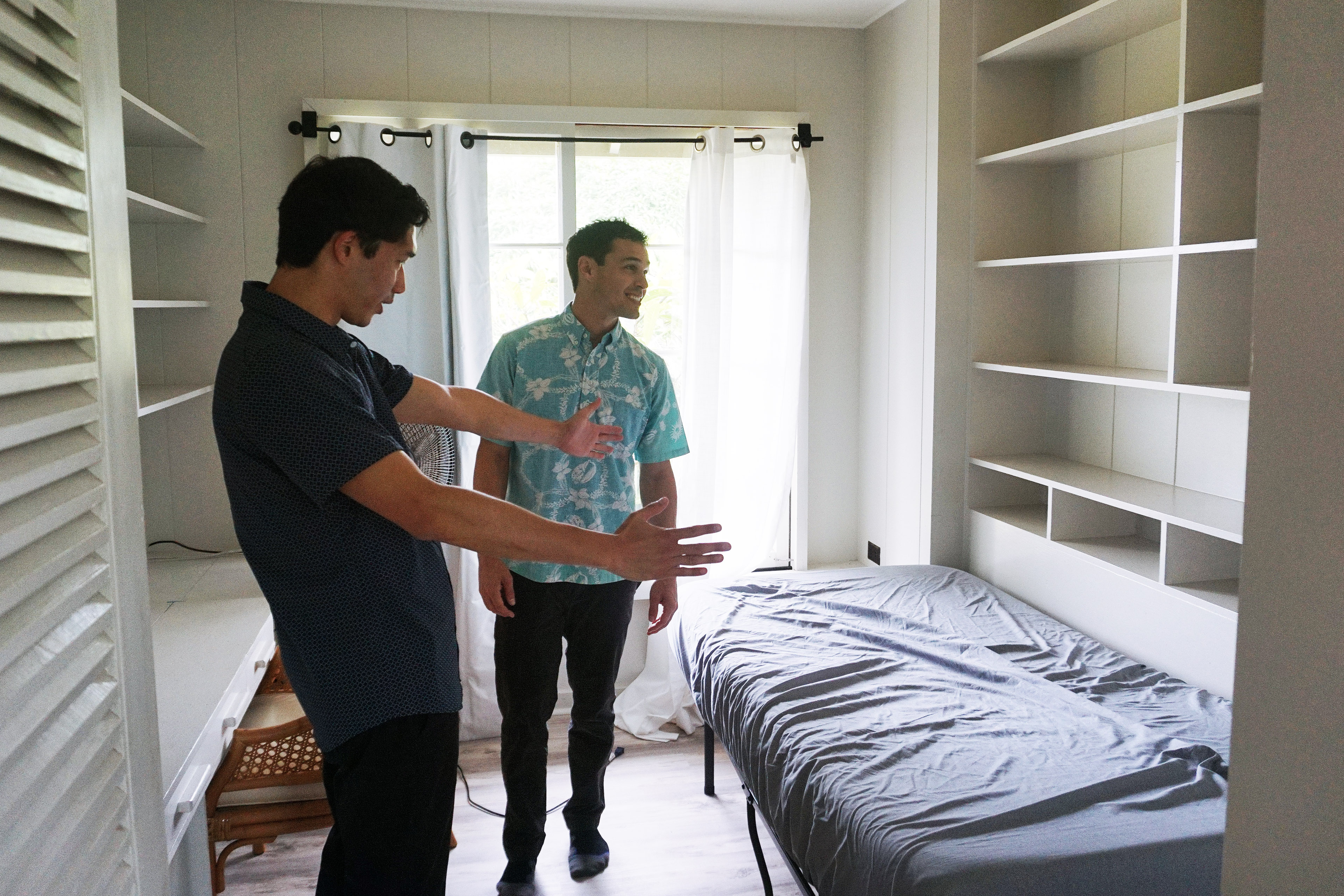
Travis Hong, who runs the Kaua‘i training track program, has been focused on building a community of providers and patients the students will feel connected to when they return to Kauaʻi to fulfill the program’s service commitment after their residency. While studying on Kauaʻi, the students live in a house in a residential neighborhood, and the university ships their vehicles to the island from Oʻahu. They are mentored by clinicians who will become their colleagues, and they treat patients they may see again when they return.
“These are not just medical students who are going to be doctors. These are going to be community members on the island,” Hong said. “Getting that experience early on is really important to get those seeds planted.”
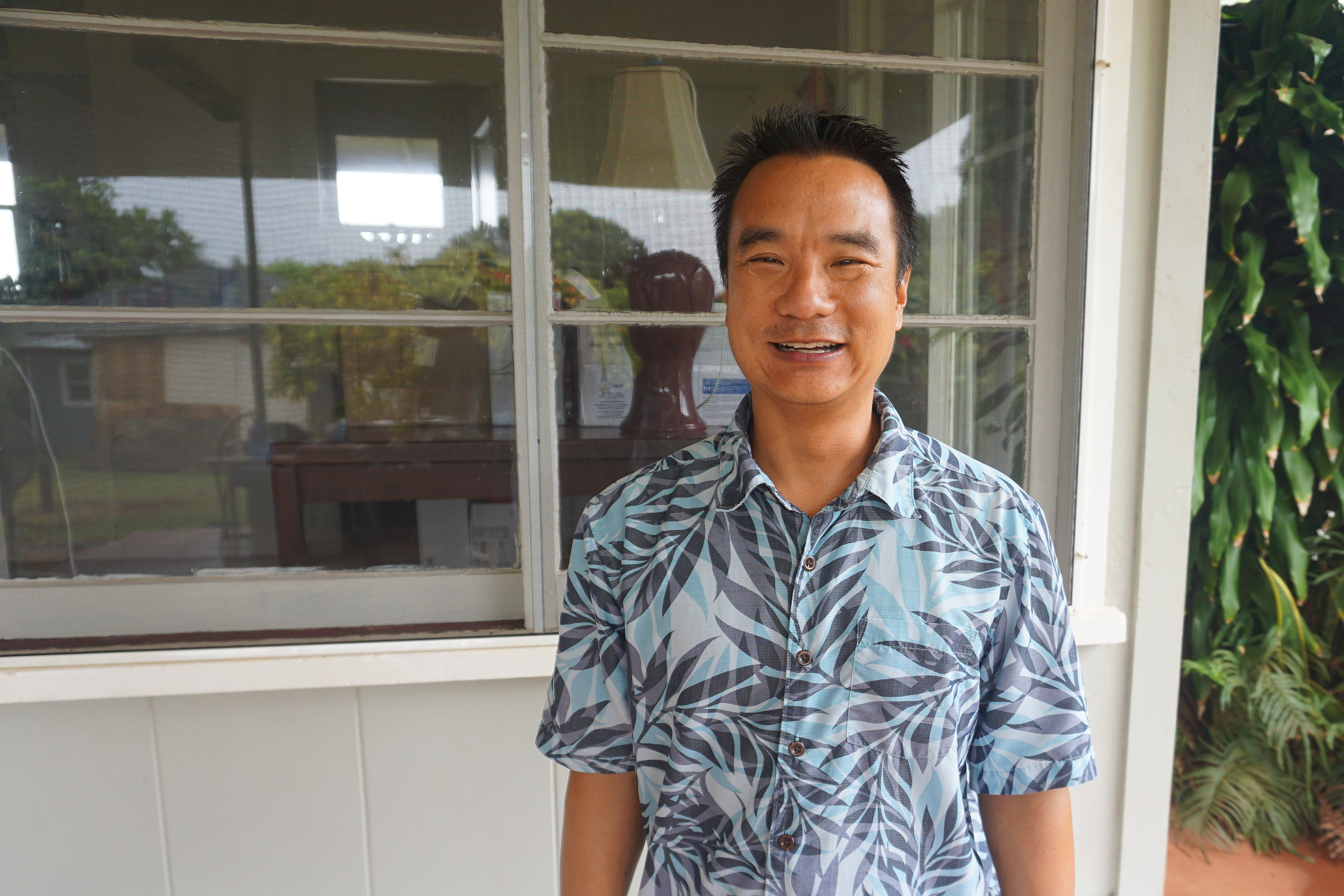
Research shows that having community ties to rural areas is important for retaining physicians. Physicians’ feeling integrated in a community resulted in higher anticipated retention.
But for Lawton, it’s not clear what will happen to his four-year service commitment to work on Kaua‘i. While on Oʻahu last year, he was able to get the brain surgery he needed. He took a year off medical school to go through 13 cycles of chemotherapy. He’s in remission now and resumed his final year of school.
Because Lawton’s cancer is incurable, he will need to continue receiving cancer treatment on Oʻahu or elsewhere. He needs to see his doctor monthly.
Lawton said he’s working with the medical school to see what options would be available to him when he finishes his residency so he can fulfill his service requirement on Kauaʻi. He just submitted residency applications for internal medicine, a training specialty that isn’t an option on Kaua‘i.
“No matter what happens,” Lawton said, “I’ll try my best to stay here as much as I can.”