Hospital Care Unaffected By Quality Payments, GAO Finds
The Government Accountability Office found bonuses and penalties have been small, and hospital performance has been steady.

GAO: More Oversight Needed Over Medicare Advantage Provider Networks
Congressional watchdog says the government checks few health plans to ensure accurate provider listings and adequate access for seniors on Medicare Advantage.

Seniors Tell Medical Students What They Need From Doctors
Many students avoid geriatrics because of the low pay and high complications, but six people over 90 offer a different perspective to help attract young doctors.

Surge In Statin Use Among Very Elderly Without Heart Trouble Raises Doubts
Preventive medicine trend highlights shortage of studies on drugs’ effects on very elderly.

How One Home Health Agency Earned Five Stars
In North Carolina, Brookdale Home Health Charlotte was one of just two agencies out of the state’s 172 to earn the maximum five stars from the federal government.
In L.A., Longevity And Health In Later Life Vary By Community
A report on aging in L.A. County finds pronounced differences in life expectancy and in the health of older residents, depending on ethnicity and neighborhood.

California Aid-In-Dying Bill Heads To Governor’s Desk
California would become the fifth state to allow doctors to prescribe lethal medication to terminally ill patients who request it.

This model of care is one of the ways created by the Affordable Care Act to reduce health care costs while improving quality of care. You can also watch the accompanying video that explains ACOs.

When Prisons Need To Be More Like Nursing Homes
By 2030, nearly one-third of all inmates will be over 55, the ACLU says, and caring for aged prisoners often costs twice as much as caring for younger ones. Some states – New York, California and Connecticut — are confronting the problem, however, with innovative programs meant to improve care and save money.

A Racial Gap In Attitudes Toward Hospice Care
Hospice use has been growing fast in the United States as more people choose to avoid futile, often painful medical treatments in favor of palliative care and dying at home surrounded by loved ones. But some African-Americans have long resisted the concept, and their suspicions remain deep-seated.

Medicare Says Doctors Should Get Paid To Discuss End-Of-Life Issues
The topic is complex and sometimes requires multiple visits, but right now doctors are paid for it only if they discuss end-of-life planning in their initial visit with a new Medicare patient.
Telephone Therapy Helps Older People In Underserved Rural Areas, Study Finds
Counseling by mental health professionals over the phone was effective in reducing anxiety and depressive symptoms, according to researchers.

Meet The California Family That Has Made Health Policy Its Business
On Medicare’s 50th birthday, two brothers who helped get it off the ground tell their stories. A younger member of the Lee family is at the helm of Covered California, the state insurance exchange.
Congress Overwhelmingly Approves Bill Bolstering Medicare Patients’ Hospital Rights
Medicare patients must be told when they’re in “observation” status but not admitted in a hospital, under legislation expected to be signed into law by the president.

5 Challenges Facing Medicaid At 50
The federal-state health care program covers nearly half of all births, one-third of children across the country and two-thirds of people in nursing homes.
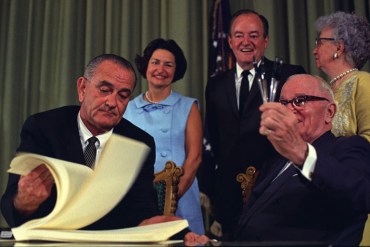
California Judge Dismisses Aid-In-Dying Lawsuit
A California woman sued to allow her doctor to prescribe life-ending medication without fear of prosecution; a decision is expected Monday.
Medicare Turns 50 But Big Challenges Await
Medicare provides coverage to one in six Americans, and federal officials hope to trim the increasing cost and improve how the program operates.

Good News, Bad News In Medicare Trustees Report
Trust fund solvent until 2030, but some seniors may see a big spike in Part B premiums.
Advocate For Alzheimer’s Research Says Aging Baby Boomers Face Big Threat From Disease
Dr. Maria Carrillo tells KHN that in addition to finding ways to screen for the disease and treat it, public health officials need to think about increasing the number of skilled nursing homes and home health aides.

New Regulations Would Require Modernizing Nursing Home Care
The proposed rules, released in advance of the White House Conference on Aging, cover wide-ranging topics, from meals to roommate selection to staff training.