Latest KFF Health News Stories

Telemedicine Policy Draws Opposition From Patient Advocates, Health Care Providers
A policy statement issued by the Federation of State Medical Boards updates the group’s views on telehealth, and is leading to questions about whether it could restrict rather than expand patient access to care.

Medicare Seeks To Stop Overpayments For Hospice Patients’ Drugs
Studies have found that the government often pays insurance plans and hospice organizations for the same prescriptions, so Medicare is directing insurers to confirm that prescriptions are not covered by hospice before paying for them.
Illinois Medicaid Moves To Managed Care
Hundreds of thousands of Medicaid recipients are being shifted into some kind of managed care this year as part of a sweeping overhaul.

Emanuel: Although ‘Not A Perfect Law,’ ACA Is Protecting Patients
The former White House adviser talks about his new book and some of his surprising predictions about health care in the next decade and beyond.

Low T Business Is Booming, Despite Questions About Risks
Testosterone prescriptions in the U.S. more than tripled in the last decade, but recent studies raise serious safety and financial concerns.
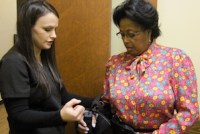
With Medical Debts Rising, Doctors Are More Aggressive About Payments
Between 2008 and 2012, multispecialty practices saw their bad debt go up 14 percent, according to a recent survey, and some have begun to change their business practices in response.
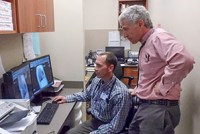
Rural Hospitals Face Tough Choices On Computerized Records
Hospitals in remote places are making tradeoffs to adopt electronic medical records. Some are joining larger systems, sacrificing their independence. Others are going it alone, carefully.
In Seattle, Insurers And Hospitals Complain About New Rules
State Insurance Commissioner Mike Kreidler says rules will help consumers see which providers are in-network and ensure they get the coverage they have paid for.
Health-Care David And Goliath Partner To Open After-Hours Clinic
In Seattle, an unlikely collaboration provides weekend and after-hours care for patients who in the past had turned to hospital emergency rooms for non-emergency treatments.

Is Bigger Better? Idaho Hospital Battle A Microcosm Of Debate Over Industry Consolidation
A federal court’s ruling dissolving the merger of the state’s biggest hospital system and biggest doctors’ practice may discourage future ventures.

KHN’s consumer columnist looks into issues raised by the health law.
Michigan Health Systems Seek Cure For Dearth Of Doctors
Michigan’s medical schools, doctors offices and health care networks are tackling a shortage of primary care doctors that is expected to worsen under the Affordable Care Act.

15-Minute Visits Take A Toll On The Doctor-Patient Relationship
Patients are more likely to leave frustrated and without the tools they need to take charge of their own health after rushed visits.
Adding Dental Care Contrasts With Mo. Legislature’s Opposition To Medicaid Expansion
Some of Missouri’s working poor have had no dental coverage since benefits were cut in 2005.
States Battle Asthma as Numbers Grow
With a climate especially bad for asthmatics, Missouri has been a pioneer in fighting the disease.

Abortion Coverage Details Hard To Find On Marketplace Plans
Both opponents and supporters complain that consumers cannot easily see whether the policies will pay for abortion services.

Patients Often Win If They Appeal A Denied Health Claim
The health law set national rules for appealing a denied claim, and advocates say consumers should take advantage of them.

Doctors Overlook Lucrative Procedures When Naming Unwise Treatments
In the “Choosing Wisely” campaign, medical specialty societies have published lists of procedures that doctors and patients should consider skeptically. But some groups overlooked their own dubious, but profitable procedures.

Waiting And Waiting On The Nursing Home Inspector
Mary Chiu complained in 2011 that her elderly mother suffered terribly from poor care in a nursing home. Hers is among hundreds of cases that remain unresolved due to a backlog of investigations in Los Angeles County.
Texas Doctors Shun Insurance, Offering Care For Cash
Doctors who use the model say they can keep their costs down by avoiding the bureaucracy of the health insurance system.