Latest Morning Briefing Stories

Doctor Shortages Under Health Law May Depend On Geography
Study suggests that areas with low rates of primary care physicians, such as the South and Mountain West, could struggle as they see a surge in Medicaid enrollments and federal incentives for doctors may not be much help.
Medicine’s Rising Costs Put Hippocratic Oath At Risk
A health policy analyst and physician says doctors are under pressure to ration care.
The ‘Missing Link’ In ACOs: Patients
Is it realistic to leverage the success of accountable care organizations on physician incentives alone? In other words, what about patients? Might they be that mysterious point that determines the effectiveness of ACO evolution?

Pharmacists Expand Role To Help Educate And Coach Patients
Consumers often find it easier to get time with a pharmacist than a doctor, so drug stores are offering more outreach programs about chronic health problems.
States’ Mental Health Budgets Fall In Recession
Analysis by advocacy group NAMI finds cuts of $1.8 billion, or about 8 percent of the states’ total budgets, from 2009 through 2011.

Some Medical Practices Move To Monthly Membership Fees For Patients
These new plans cut out insurance policies and offer unlimited access to doctors and nurse practitioners for a modest, set fee.

Younger, Disabled Medicare Beneficiaries Have Trouble Getting Supplementary Insurance
Federal law does not guarantee beneficiaries under the age of 65 the right to buy Medigap coverage and even when they do qualify for a plan, it is often prohibitively expensive.
Fixing America’s Health Care Reimbursement System
Addressing the current system by which physician payment is determined is a challenge that demands attention beyond the physician community. It will take the influence of businesses and patient advocates who bear the brunt of the nation’s skyrocketing health care costs.
Ariz. Medicaid Cuts Spur Debate Over Impact On Providers
Doctors and hospitals raise concerns that reducing eligibility may spur ER crowding and premium increases, but experience in Missouri shows less dire consequences.
Insurance Trade-Off: Reducing Premiums By Eliminating Expensive Doctors, Hospitals
Some insurers are offering consumers a hefty break if they pay more out-of-pocket when they use certain high-cost providers in their network or are cutting the providers from the coverage.
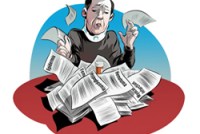
Helping Patients Understand Their Medical Treatment
Consumers are increasingly expected to manage their complex regimens but that is especially challenging for those who don’t have the ability to comprehend health information.

Regulators Penalize Some Maryland Hospitals For Complication Rates
A Maryland program to curb hospital infection rates is showing signs of success, but nine hospitals still fell short last year and were penalized a total of $2.1 million.
When Care Is Split Between Medicare And Medicaid: KHN Interview With Melanie Bella
Melanie Bella heads the new federal office that seeks to help people whose coverage is often fragmented because they qualify for both programs and to save the government money by streamlining that coverage.

States Pushing Managed Long-Term Care For Elderly And Disabled Medicaid Patients
Some patient advocates, as well as the nursing home industry, object to using managed care for such vulnerable patients, but health plans say they can provide quality services while holding down costs.

How Group Health Is Holding Costs Down: A KHN Interview With CEO Scott Armstrong
One of the lesser-known provisions of the new health law calls for federal loans to help fund health cooperatives. Scott Armstrong, the CEO of Group Health, says that co-ops can improve patient care and contain costs.
The nation’s leaders must slog through the complexities and ideologies of the current political landscape in order to craft solutions that will shore up the American safety net and protect its weakest citizens.
Some Doctors Dispute Benefits Of Early Diagnosis
Dartmouth researchers argue that ordering screenings for people with no symptoms too often leads to costly treatment for people who would likely never have gotten sick.

Blumenthal To Leave Obama’s Health IT Office
Harvard researcher paved the way for a $27 billion effort to push doctors and hospitals into the digital age.
Should Infertility Treatment Be Considered Essential?
Currently, policies provide only skimpy coverage for these services, which are often expensive. But this is an issue that regulators are wrestling with as they determine what conditions should be included in plans under the health law.
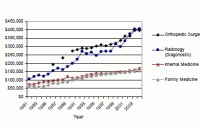
Abandoning and replacing the American Medical Association’s Relative Value Scale Update Committee — a panel that offers recommendations to the Centers for Medicare & Medicaid Services on physician reimbursement policy — would be an important first step toward re-stabilizing the nation’s primary care physician supply the U.S. health system.