Trump Restores Title X Funding for Two Anti-Abortion States — While Wiping It Out Elsewhere
The Biden administration shut off federal family planning grants to Tennessee and Oklahoma after the states directed clinics not to provide abortion counseling. The Trump administration restored the money, claiming two lawsuits were settled. They weren’t.

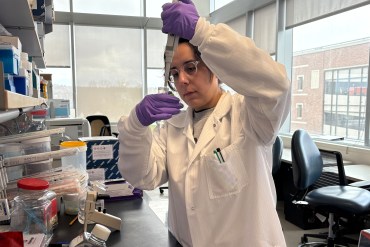
As a Diversity Grant Dies, Young Scientists Fear It Will Haunt Their Careers
The Trump administration defunded the National Institutes of Health’s MOSAIC grant program, which launched the careers of scientists from diverse backgrounds.
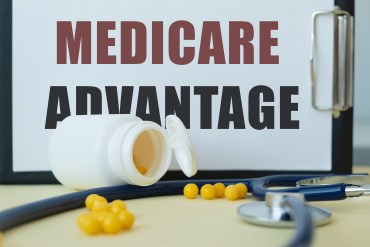
When Hospitals Ditch Medicare Advantage Plans, Thousands of Members Get To Leave, Too
Breakups between health providers and Advantage plans are increasingly common. The Centers for Medicare & Medicaid Services has allowed whole groups of patients to leave their plans.
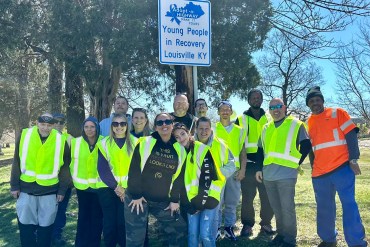
Moms in Crisis, Jobs Lost: The Human Cost of Trump’s Addiction Funding Cuts
In many cases, the money flowed to addiction recovery programs that help rebuild lives by driving people to medical appointments and court hearings, crafting résumés and training them for new jobs, finding them housing, and helping them build social connections unrelated to drugs.
What ‘Fertilization President’ Trump Can Learn From State Efforts To Expand IVF Access
State-level efforts to regulate fertility coverage reveal the gauntlet of budgetary and political hurdles such initiatives face — obstacles that have led to millions of people being left out even when mandates become law.
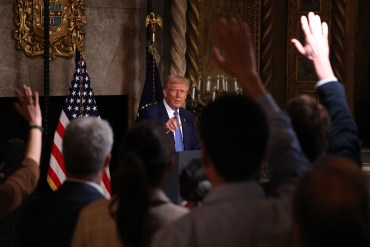
Measles Misinformation Is on the Rise — And Americans Are Hearing It, Survey Finds
Attitudes about a debunked link between measles vaccines and autism haven’t budged that much. But there’s a sharp partisan divide over whether the vaccine is safe.
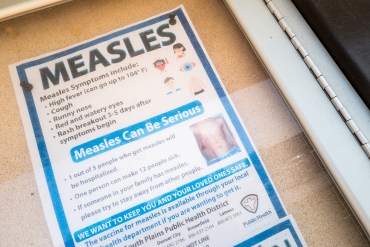
Why Cameras Are Popping Up in Eldercare Facilities
Roughly 20 states now have laws permitting families to place cameras in the rooms of loved ones. Facility operators are often opposed.

Beyond Ivy League, RFK Jr.’s NIH Slashed Science Funding Across States That Backed Trump
A KFF Health News analysis underscores how the terminations have spared no part of the country, politically or geographically. Of the organizations that had grants cut in the first month, about 40% are in states President Donald Trump won in November.

States Push Medicaid Work Rules, but Few Programs Help Enrollees Find Jobs
Republicans are pushing to implement requirements that Medicaid recipients work in order to obtain or retain coverage. Some states try to help enrollees find jobs. But states lack the data to show whether they’re effective.

More Psych Hospital Beds Are Needed for Kids, but Neighbors Say Not Here
Amid a youth mental health crisis and a shortage of inpatient psychiatric beds, residents of a St. Louis suburb opposed a plan to build a 77-bed pediatric mental health hospital. Resistance to such facilities has occurred in other communities as misconceptions about mental health spur fear.

Misinformation About Fentanyl Exposure Threatens To Undermine Overdose Response
Fentanyl overdoses occur from ingesting the synthetic opioid. But popular culture has misrepresented the risks to first responders.

Tax Time Triggers Fraud Alarms for Some Obamacare Enrollees
Consumers who were enrolled fraudulently in Affordable Care Act coverage could receive unexpected tax bills — the first and possibly only clue they were a victim of fraud. Getting help may become difficult as federal workers are laid off and funding for assistance programs is cut.

Se cancelan clínicas de vacunación por recortes federales, mientras aumentan los casos de sarampión
Los esfuerzos de inmunización en todo el país se vieron afectados después que los Centros para el Control y Prevención de Enfermedades cancelaran abruptamente $11.400 millones en fondos relacionados con covid-19 que se usaban para muchas vacunas.

Rural Hospitals and Patients Are Disconnected From Modern Care
Technological gaps handicap rural hospitals as billions in federal funding to modernize infrastructure lags. The reliance on outdated technology and piecemeal systems challenge staffs and erode patient care.

Slashed Federal Funding Cancels Vaccine Clinics Amid Measles Surge
Federal funding cuts, though temporarily blocked by a judge, have upended vaccination clinics across the country, including in Arizona, Minnesota, Nevada, Texas, and Washington state, amid a rise in vaccine hesitancy and a resurgence of measles.
For Opioid Victims, Payouts Fall Short While Governments Reap Millions
Pharmaceutical companies accused of fueling the nation’s opioid crisis are paying state and local governments billions of dollars in legal settlements. But how much are victims who suffered addiction and overdoses getting?
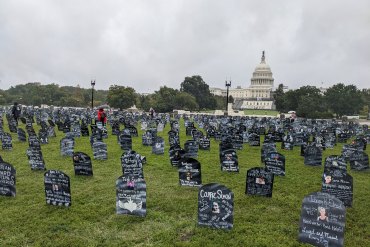
Rural Hospitals Question Whether They Can Afford Medicare Advantage Contracts
Some rural hospitals have canceled — or are considering ending — contracts with insurance companies that offer Medicare Advantage plans, saying the private policies jeopardize their finances and impede patient care.

The House Speaker’s Eyeing Big Cuts to Medicaid. In His Louisiana District, It’s a Lifeline.
The GOP-controlled Congress is weighing cuts to Medicaid, the government health program that covers millions of Americans — including nearly 40% of Louisianans represented in the House by Speaker Mike Johnson.

What’s Lost: Trump Whacks Tiny Agency That Works To Make the Nation’s Health Care Safer
The Agency for Healthcare Research and Quality has helped improve health care safety in a country where thousands die of medical errors each year. It was effectively dissolved Tuesday.

Hit Hard by Opioid Crisis, Black Patients Further Hurt by Barriers to Care
The rate of overdose deaths from opioids has grown significantly among Black people. Yet, even after a nonfatal overdose, this group is half as likely to be referred to or get treatment compared with white people. Advocates and researchers cite implicit bias, insurance denials, and other systemic issues.