Trump Says He’ll Stop Health Care Fraudsters. Last Time, He Let Them Walk.
In his first term, President Donald Trump granted pardons or clemency to more than 60 convicted fraudsters, including health care executives who defrauded Medicare out of hundreds of millions of dollars, courts and juries found. Now, Trump says cracking down on fraud is a priority.

‘They Won’t Help Me’: Sickest Patients Face Insurance Denials Despite Policy Fixes
The fatal shooting of UnitedHealthcare CEO Brian Thompson prompted both grief and public outrage about the ways insurers deny treatment. Republicans and Democrats agree prior authorization needs fixing, but patients are growing impatient.

With Few Dentists and Fluoride Under Siege, Rural America Risks New Surge of Tooth Decay
The anti-fluoride movement has more momentum than ever. In rural counties with few dentists, tooth decay could surge to levels that have not been seen in decades, experts warn.

Current, Former CDC Staff Warn Against Slashing Support to Local Public Health Departments
Public health and science researchers are concerned about the Trump administration’s cuts to the Centers for Disease Control and Prevention. Reductions in staff and budgets could undermine the nation’s ability to respond to threats, they say.
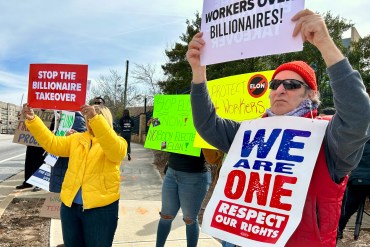
Workers Prep To Meet ICE Officials at the Health Clinic Door
Recent arrests by Immigration and Customs Enforcement in northern Virginia have put immigrant communities in the Washington, D.C., metropolitan area on alert. Health clinics that serve those communities say they are working to continue to care for patients amid detention and arrest fears.

Amid Plummeting Diversity at Medical Schools, a Warning of DEI Crackdown’s ‘Chilling Effect’
Enrollment of underrepresented groups at medical schools fell precipitously this academic year after the Supreme Court’s 2023 ban on affirmative action. Education and health experts worry the Trump administration’s anti-DEI measures will only worsen the situation, even in states like California that have navigated bans on race-conscious admissions for years.

Scientist Whose Work Led FDA To Ban Food Dye Says Agency Overstated Risk
Almost 40 years ago, Joseph Borzelleca published a study on red dye No. 3, a petroleum-based food coloring. The FDA cited his work to ban the additive in January. But Borzelleca says it’s safe.

Journalists Share How Additives Enter Food Supply and Measles Harms Kids’ Immune Systems
KFF Health News journalists made the rounds on national and local media recently to discuss topical stories. Here’s a collection of their appearances.

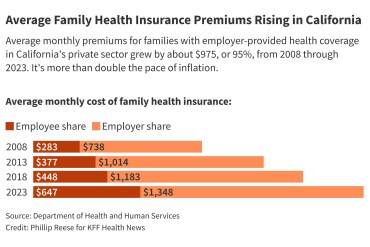
Thought Inflation Was Bad? Health Insurance Premiums Are Rising Even Faster
California businesses saw employees’ monthly family insurance premiums rise nearly $1,000 over a 15-year period, more than double the pace of inflation. And employees’ share grew as companies shifted more of the cost to workers.
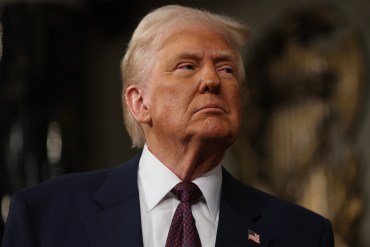
Under Trump, Social Security Resumes What It Once Called ‘Clawback Cruelty’
Last year, the government stopped cutting off people’s monthly Social Security benefits to claw back overpayments. Last week, under President Donald Trump, it reversed that change.
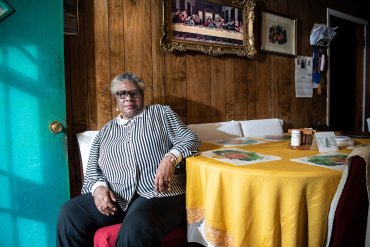
Millions in US Live in Places Where Doctors Don’t Practice and Telehealth Doesn’t Reach
Nearly 3 million Americans live sicker, shorter lives in the hundreds of rural counties where doctor shortages are the worst and poor internet connections mean little or no access to telehealth services.
How the FDA Opens the Door to Risky Chemicals in America’s Food Supply
The FDA has relied on food companies for decades to determine whether their ingredients are safe. Some chemicals and additives are tied to health risks while others are absent from product labels.

MRNA Vaccines, Once a Trump Boast, Now Face Attacks From Some in GOP
Republicans have proposed legislation in several states to ban the pioneering technology used in covid shots. Many doctors worry a huge medical advance could be rolled back.
Years Later, Centene Settlements With States Still Unfinished
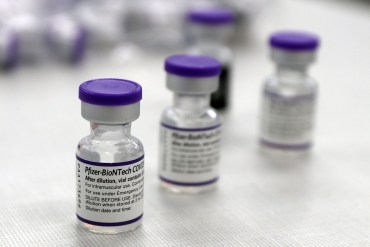
At least 20 states have settled disputes with health insurance giant Centene since 2021 over allegations that its pharmacy benefit manager operation overcharged their Medicaid programs. Two holdouts appear to remain: Georgia has not yet settled, and Florida officials won’t answer questions about its Centene situation.

CDC Firings Undermine Public Health Work Far Beyond Washington
The Trump administration’s sudden firings have gutted training programs across the nation that bolstered state and local public health departments.
States Facing Doctor Shortages Ease Licensing Rules for Foreign-Trained Physicians
Amid doctor shortages, several states have stopped requiring foreign-trained providers to repeat residencies before they’re fully licensed. Critics say patients could be harmed because of the loosened training requirements.

Future of Cancer Coverage for Women Federal Firefighters Uncertain Under Trump
In the waning days of the Biden administration, the Labor Department added ovarian, uterine, cervical, and breast cancer coverage for wildland firefighters. It’s unclear whether the new protections will stick under Trump.

Republicans Once Wanted Government out of Health Care. Trump Voters See It Differently.
Frustrated by high health care prices, many who backed President Donald Trump support strong government actions to protect patients. It’s unclear whether GOP leaders will listen.

Texas Measles Outbreak Nears 100 Cases, Raising Concerns About Undetected Spread
Health officials expect a measles outbreak in West Texas to exceed 100 cases because of low vaccination rates and undetected infections. Vaccine misinformation and new laws may make such situations more common and harder to contain.

An Ice Rink To Fight Opioid Crisis: Drug-Free Fun vs. Misuse of Settlement Cash
A decision about how to spend settlement funds in Carter County, Kentucky, which was hit hard by the opioid epidemic, offers a window into the choices that surround this windfall.