Potent sedating medications are often given to agitated people with dementia in long-term care facilities despite federal efforts to discourage them.
The FDA warns that antipsychotic medications, originally targeted for schizophrenia, increase the risk of death in older people, but they are frequently used to quell agitation and aggressive behaviors in people with Alzheimer’s and other conditions that cause dementia. It’s particularly an issue in memory care units dedicated to such patients.
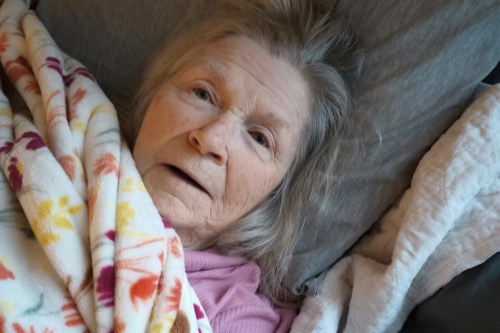
A clash over whether to drug a Michigan woman illuminates the wrenching decisions families and guardians face. Marjorie Tingley, 85, lived in the memory care unit of Vista Grande Villa, a senior living community in Jackson. In late 2024, when Vista Grande said she had started hitting or kicking at aides trying to change her briefs and get her bathed, the facility insisted she be given sedating medication, according to documents filed in a court case and her medical records.

Email Sign-Up
Subscribe to KFF Health News' free weekly newsletter, "The Week in Brief."
After her two sons with power of attorney resisted, fearing the FDA’s drug warnings, Vista Grande began calling 911 to have her taken to a hospital emergency room for mental health evaluations, medical records show. Vista Grande said it was necessary to protect its residents and workers. Her family alleged in court papers the ER trips — totaling eight over five weeks — were retaliation for their refusal to authorize the drugs.
Vista Grande ultimately gave Tingley a 30-day eviction notice, but even before the deadline, after the last hospital trip, the facility refused to accept her back, medical records show. Her family moved her to another memory care facility and she died from Alzheimer’s shortly afterward, the records show. A state judge dismissed the family lawsuit’s allegation of negligence, while two other allegations, of wrongful eviction and causing emotional distress, are slated to go to trial next year. Vista Grande has denied all allegations. Its lawyers did not respond to requests for comment.
The Tingley case highlights many of the biggest challenges in memory care facilities, including the prevalence of resident-on-resident altercations and concerns that underlying causes of aggressive behavior in people with dementia aren’t properly identified. It also shows some of the limits of the Centers for Medicare & Medicaid Services’ campaign to reduce the excessive use of antipsychotic medications in nursing homes.
CMS’ Partnership to Improve Dementia Care started in 2012, and antipsychotic use in nursing home residents not diagnosed with schizophrenia decreased from 24% in 2011 to 14% in 2025. But researchers looking at prescribing trends through 2017 found the campaign “did not appear to affect antipsychotic prescribing” in assisted living facilities like Vista Grande. Those places are regulated by states, not the federal government. A study published in 2023 found that, on average, assisted living residents with dementia were prescribed an antipsychotic for 13% of the time they lived there.
Potent sedating medications are often used on agitated people with dementia in long-term care facilities despite federal efforts to discourage their use. A clash over whether to drug a Michigan woman illuminates the wrenching decisions families and guardians face.