


Latest KFF Health News Stories
While some states are seeking Medicaid flexibility to handle the crisis, others are pushing ahead with plans to tighten their programs. Meanwhile, the outbreak is straining states’ already tight budgets to the breaking point. And Native American tribes across the country turn inward, expecting little help from a federal government that has let them down time and again.
WHO Launches Global Solidarity Project To Ramp Up Clinical Trials For Coronavirus Drugs
“Multiple small trials with different methodologies may not give us the clear strong evidence we need about which treatments help to save lives,” said WHO Director-General Tedros Adhanom Ghebreyesus. Scientists around the world have been racing around the clock to come up with treatments, even as a promising drug fails to show results. Meanwhile, President Donald Trump considered an executive order to expand the use of drugs in coronavirus patients, but FDA scientists objected over safety concerns. And health officials push back on rumors the ibuprofen could worsen the symptoms.
A shortage of workers threatens the $50 billion industry, but the federal government claims it will process returning H-2 workers who are eligible while ensuring public safety. Supply news is also on the strong storage system and Amazon’s temporary closure in New York.
Pausing Door-To-Door Counting: Census Suspends Field Operations For Two Weeks To Protect Employees
Concerns have been raised about how to protect the safety of people who have to go door to door and about the ability to count everyone as required by the U.S. Constitution. News is also on health concerns of U.S. postal workers.
South Korea and the United States identified their first coronavirus patient on the same days. Weeks later, South Korea has managed to easily and quickly test hundreds of thousands of its citizens, giving it the ability to isolate positive cases. The United States is still floundering. Meanwhile, when asked why rich celebrities seem to have quick access to tests that normal Americans are still being denied, President Donald Trump shrugged off the concern. “Perhaps that’s been the story of life,” he said.
Nursing Home Staffers Helped Spread Coronavirus In Seattle When Working At Multiple Facilities
The CDC determines that Seattle-area nursing facility staff members who worked at more than one home likely transferred the virus to other elder care homes. In other news on how the industry is coping with the COVID-19 outbreak: nursing homes run low on protective equipment and Florida and Illinois facilities report more cases.
Despite repeated warnings from scientists, public health experts and government officials about the importance of social distancing, many Americans are still going about their daily lives. Meanwhile, many who are keeping themselves inside wonder “how long this will all last?” The answer? No one really knows.
President Donald Trump’s new goal is to paint himself as a wartime president even though the enemy is a virus. In doing so, he might up the chances of getting a second term, as history shows that voters tend to want to keep leadership in place during a war. Meanwhile, lawmakers push for mail-in voting as turnout proves low from Tuesday’s primaries.
Editorial pages focus on the role government is playing during the pandemic.
Today’s early morning highlights from the major news organizations.
Trump Has Invoked Wartime Powers, But What Does That Entail?
The Defense Production Act was inspired by World War II-era laws that gave the White House the ability to tell private companies what to make for the good of the country. President Donald Trump said he was invoking the power in response to predictions that the nation’s medical system will run out of masks, ventilators and hospital beds. Meanwhile, a look at how the government handled a lack of supplies in the past could offer hints about what should be done now.
President Donald Trump signed the legislation–which among other things mandates free coronavirus testing–after the Senate sent it to his desk. There were worries that the upper chamber wouldn’t move quickly on the bill, but lawmakers are already gearing up for the next round of stimulus negotiations. However, with so much money involved some wonder how a fractured Congress will pass a bipartisan package even during a crisis.
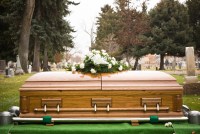
Funeral Homes, Families Ponder Deaths In The Age Of COVID-19
As the novel coronavirus marches across the country, it is upending how families and funeral homes honor the dead — and, ultimately, put them to rest.
‘A Real Gut Punch’: Many Workers Laid Off, Furloughed Or Shifted To Lower Hours Amid Economic Panic
Many of the businesses that are reducing staff say the hope is to re-hire those workers once the crisis is over. But that means little to people facing bills now. Meanwhile, states’ unemployment offices see a sharp spike in applications as a result. Media outlets look at labor forces getting hit hard from museums to manufacturers.
The CDC cancelled a teleconference call Tuesday with 2,000 superintendents looking for clarity on a range of issues including whether schools will be transformed into shelters, timing of standardized testing and feeding children from low-income families.
Misinformation is thriving as fearful Americans gravitate toward anything that will help prevent them from getting sick. Doctors say the best advice is simple: wash your hands, practice social distancing, and avoid touching your face. In other news: vulnerable populations, easing your anxiety, the lifespan of the virus, and more.
Of the 508 patients known to have been hospitalized in the U.S., 38 percent are between 20 and 54. “It’s not just going to be the elderly. There will be people age 20 and up. They do have to be careful, even if they think that they’re young and healthy,” Stephen Morse, a Columbia University professor of epidemiology, tells The New York Times. However, in terms of mortality rates, 80% of the deaths are adults aged 65 and older. Meanwhile, there’s a deadly mix brewing in Florida — a state with a large elderly population and a lot of young visitors who are now thought to be silent spreaders of the disease.
In the best of times, health care workers are exposed to a myriad of diseases and illnesses as par for the course. In this outbreak, with protective gear dwindling, many accept the reality that there’s a good chance they’ll get the coronavirus.
Although much of the attention has been focused on ventilators, experts fear there will be shortages across the medical system from testing supplies to doctors themselves. The country’s lack of preparedness exposes a larger vulnerability of the U.S.’s ability to react to any bio-war threat. Meanwhile, hospitals continue to brace for an expected surge of patients.
President Donald Trump continues to use the term “Chinese virus” for the novel coronavirus that emerged out of China, despite criticism that it is offensive and could worsen hate crimes at an already dangerous time.