It’s been a familiar story this year — the small-business workers weighing whether to drop health plans that are as costly as their mortgages.
But you wouldn’t expect your doctor to lack health insurance.
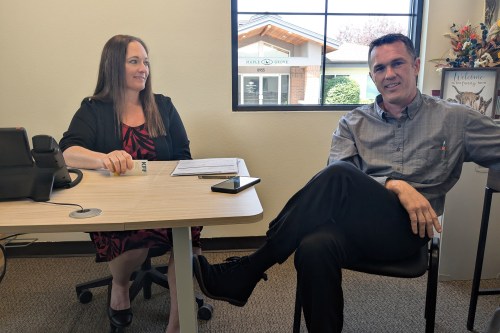
Joshua and Ashley Durham bought their health coverage on the Affordable Care Act marketplace for two years after they began their family medicine practice in Boise. He’s a primary care physician, and she’s a pharmacist, who manages the office. This year, a similar health plan for their family of four would have cost them several hundred dollars more per month, with premium payments totaling $1,600.
So they opted out of health insurance. Instead, the couple have been relying on $50,000 they had set aside over the years in a health savings account.
“It’s nerve-racking,” Joshua Durham said. “It just takes, you know, one little accident, and then you got a big fat bill.”

Email Sign-Up
Subscribe to KFF Health News' free weekly newsletter, "The Week in Brief."
Nationwide, healthcare workers are less likely to go uninsured than employees in other fields. In 2024, just 7% of them went uninsured, compared with 11% of all adults under 65, according to a KFF analysis of the most recent American Community Survey data. Among doctors, the uninsured rate was even lower: 2%.
But the Durhams’ story illustrates that as health insurance costs rise each year, even healthcare workers are feeling the pinch. The struggle to afford coverage is a universal experience, regardless of how familiar patients are with the industry, said Jill Kordick, a retired healthcare executive in Norwalk, Iowa.
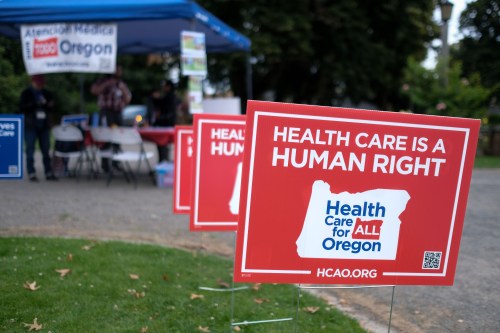
Congress opted last year not to renew expanded Obamacare marketplace credits enacted during the covid pandemic. Subsidies remained for people with low incomes, but the covid-era credits had helped reduce premium payments for many other Affordable Care Act marketplace enrollees.
Roughly 15 million more people are expected to go uninsured over 10 years because of the expiration of the expanded ACA subsidies and cuts from President Donald Trump’s signature One Big Beautiful Bill Act, according to the Congressional Budget Office.
Healthier people are the most likely to opt out of insurance. That leaves insurance covering a smaller pool of people who tend to be sicker and need more expensive care.
Joshua Durham and his family are mostly healthy. He just worries about a worst-case scenario: a car crash, a sports injury, a serious diagnosis. But his family hasn’t faced any major medical issues — or huge bills — so far this year.
The couple’s decision to opt out of insurance has paid off, Durham said. At least for now.
Like many Americans, Joshua and Ashley Durham saw their health insurance premiums rise by hundreds of dollars a month this year. Despite being healthcare practitioners all too aware of the risks, they chose to go uninsured. Others, though, can’t afford to go without.