Starting next year, most states will begin reviewing who is sick enough to be excused from new federal Medicaid work rules. People who study the nation’s public aid system have said they have an idea of headaches likely to come.
That’s because states already determine who’s sick enough to access Medicaid’s disability coverage — a process known to have administrative hurdles and blunders.
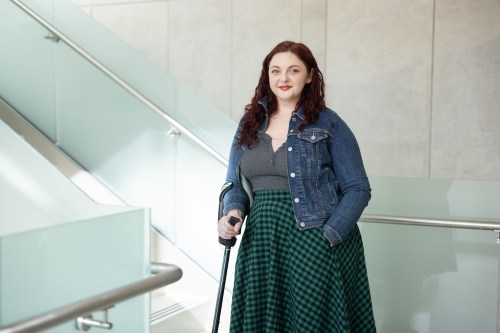
Take Taya Hailstone from Roundup, Montana. She’s 19 and is in remission from Hodgkin lymphoma. The cancer left lasting damage to her organs.
Hailstone has relied on Medicaid’s disability coverage for years. But the state decided last year she’s no longer eligible, after she opted not to renew her Social Security disability payments. She did that because she’d hoped to get healthy enough to work. But some days, her pain makes daily tasks hard. Hailstone said she still needs Medicaid to afford specialty treatment to manage the cancer’s aftereffects. But letters from her doctors show state officials didn’t ask for her latest medical records before switching her coverage.
“It feels like this process was made to make you give up,” Hailstone said.

Email Sign-Up
Subscribe to KFF Health News' free weekly newsletter, "The Week in Brief."
Incoming federal rules mean more adults will face a similar process — and potentially lose health coverage. To keep Medicaid, people accessing the low-cost health insurance solely based on their income must prove they’re working, going to school, or volunteering. Congressional Republicans’ One Big Beautiful Bill Act set a January deadline for states to start those checks.
Out of the 18.5 million people estimated to have to meet the new requirements, more than 40% live with a chronic health condition. Some will qualify for medical exemptions.
But with states set to review medical cases for a larger swath of Medicaid enrollees, now public aid researchers, attorneys, and advocates are worried the processes will be convoluted and lead to more people being denied coverage they need.
“This will be the story of millions of people,” said Anthony Wright, who heads the nonprofit Families USA.
Getting a work requirement exemption will be especially hard for people who can’t easily access healthcare.
Families USA and other organizations have argued the new rules force states to set up a patchwork of systems that together would be larger and more complicated than the Social Security Administration’s own disability system, which last year cost more than $5 billion to administer. For comparison, Wright said, the federal law provided $200 million for states to share as they set up the work requirements.
As for Hailstone, she’s trying to convince the state of Montana that her disabilities haven’t gone away. She’s appealing her case and has access to Medicaid in the meantime.
As state governments grapple with how to determine who’s sick enough to be excused from new Medicaid work requirements, some families are already struggling with what illnesses guarantee health coverage because of a disability.