A New Era for the ACA
The Host

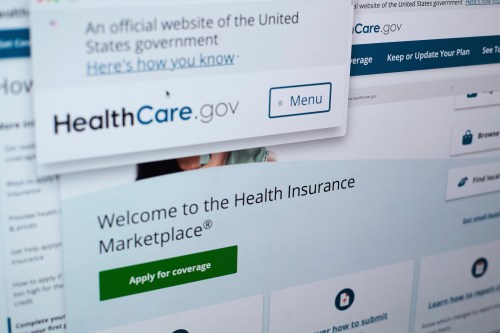
Open enrollment for 2027 Affordable Care Act plans begins Nov. 1 in most states, with consumers facing higher out-of-pocket costs and more bureaucratic hurdles.
Meanwhile, Democrats in Congress are laying out plans for an aggressive health policy agenda should they win majorities in the House and/or the Senate. With President Donald Trump in office, however, it’s unclear whether any of their legislative efforts could become law in the next two years.
This week’s panelists are Julie Rovner of KFF Health News, Julie Appleby of KFF Health News, Anna Edney of Bloomberg News, and Victoria Knight of Bloomberg Government.
Panelists



Among the takeaways from this week’s episode:
- The Trump administration’s crackdown on alleged fraud in Affordable Care Act plans, coupled with the expiration last year of expanded subsidies from the Biden era, has reduced enrollment by several million people. This year’s open enrollment will include new rules in many states making it more complicated for people to sign up or renew their plans.
- Among the health issues Democrats hope to focus on in the next congressional term is long-term care for older people and those with disabilities. The lack of a U.S. long-term care policy is a long-standing issue but will be hugely expensive to solve.
- Democrats also remain split over whether to support a “Medicare for All” program to provide universal health coverage funded by taxes or to pursue more piecemeal approaches to addressing gaps in costs and coverage.
- And Health and Human Services Secretary Robert F. Kennedy Jr. this week made it easier for consumers to purchase injectable peptide products, over the doubts of scientists at the Food and Drug Administration. Meanwhile, the deputy director of the Centers for Disease Control and Prevention is stepping down after only a few months, reportedly over disagreements about vaccine policy.
Also, Rovner announces the winners of the KFF Health News Halloween haiku contest.

Plus, for “extra credit” the panelists suggest health policy stories they read this week that they think you should read, too:
Julie Rovner: WBEZ Chicago’s “This Illinois Law Was Supposed To Help Families. It’s Failing Them Instead,” by Kristen Schorsch.
Anna Edney: KFF Health News’ “Hospital Beds for the Nation’s Sickest Kids Are Disappearing,” by Katheryn Houghton.
Victoria Knight: The New York Times’ “She Trusted ChatGPT With Her Medication Decisions. It Cost Her Everything,” by Teddy Rosenbluth.
Julie Appleby: The Washington Post’s “We Disagree About Politics. But We See the Same Problems in Health Care,” by Ezekiel J. Emanuel and Brian Blase.
Also mentioned in this week’s podcast:
- Punchbowl News’ “Wyden, Sanders Press Insurers on ACA Losses,” by Peter Sullivan.
- Axios’ “Long-Term Care Enters the Affordability Debate,” by Adriel Bettelheim.
- The Hill’s “How MAHA Fueled a New Wave of Doctors Running for Office,” by Joseph Choi.
- The Washington Post’s “The FDA Rarely Inspects Much of the Produce Americans Eat,” by Caitlin Gilbert and Rachel Roubein.
- CNN’s “Iowa’s Cancer Problem Is Scrambling the Midterms,” by Sarah Owermohle and David Wright.
- The Washington Post’s “CDC’s Deputy Director To Leave Trump Administration After Brief Stint,” by Dan Diamond and Lena H. Sun.
Credits
Click here to find all our podcasts.
And subscribe to “What the Health? From KFF Health News” on Apple Podcasts, Spotify, the NPR app, YouTube, Pocket Casts, or wherever you listen to podcasts.