A Blue Wave Hits Healthcare
The Host
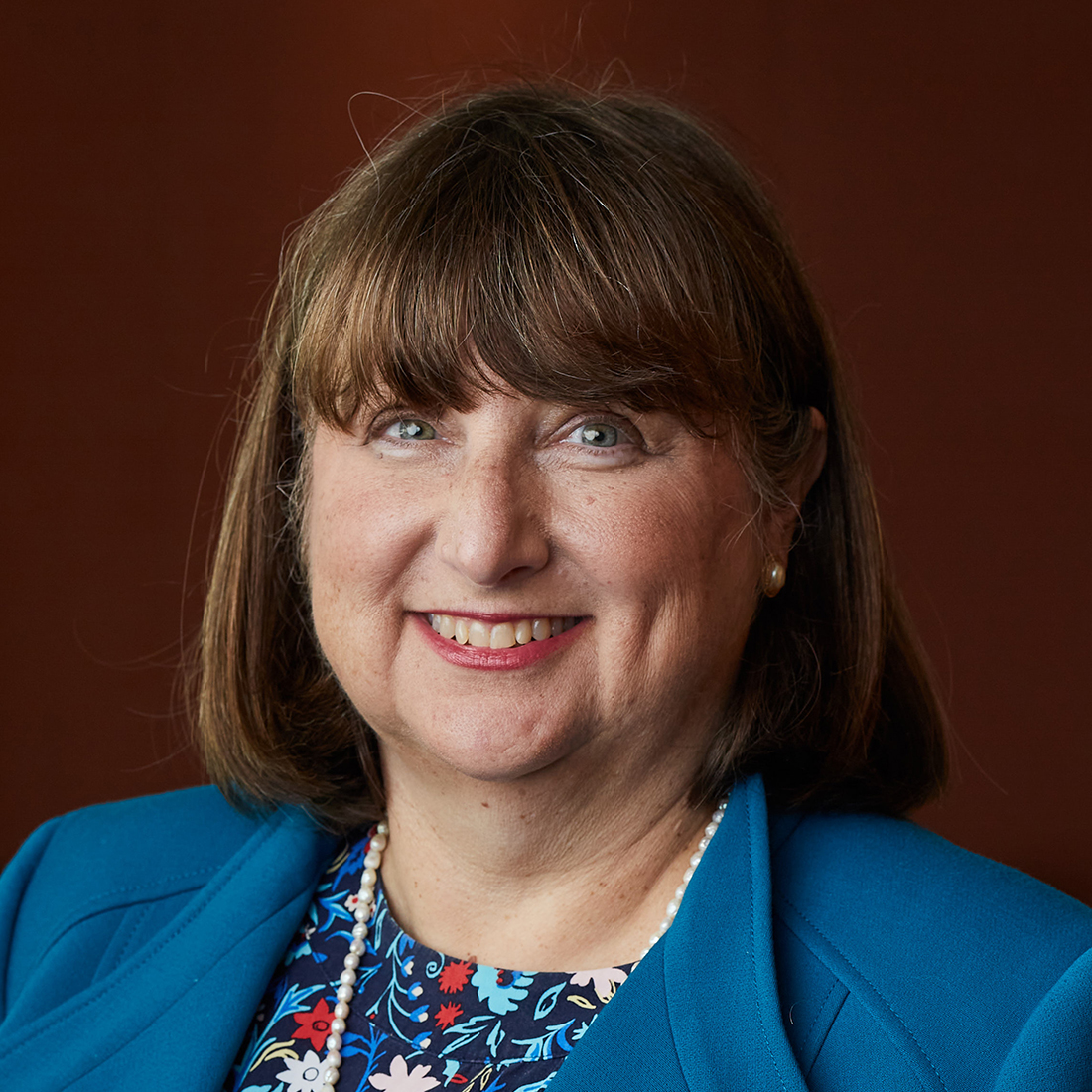
Julie Rovner
KFF Health News
Julie Rovner is chief Washington correspondent and host of KFF Health News’ weekly health policy news podcast, "What the Health?" A noted expert on health policy issues, Julie is the author of the critically praised reference book "Health Care Politics and Policy A to Z," now in its third edition.
Democrats are poised to take control of the House and Senate — as well as a majority of governorships — come January after voters delivered a stunning election rebuke of President Donald Trump and the GOP majorities in Congress. The changeover puts the spotlight back on health policy, an issue Democrats pressed hard in their election campaigns.
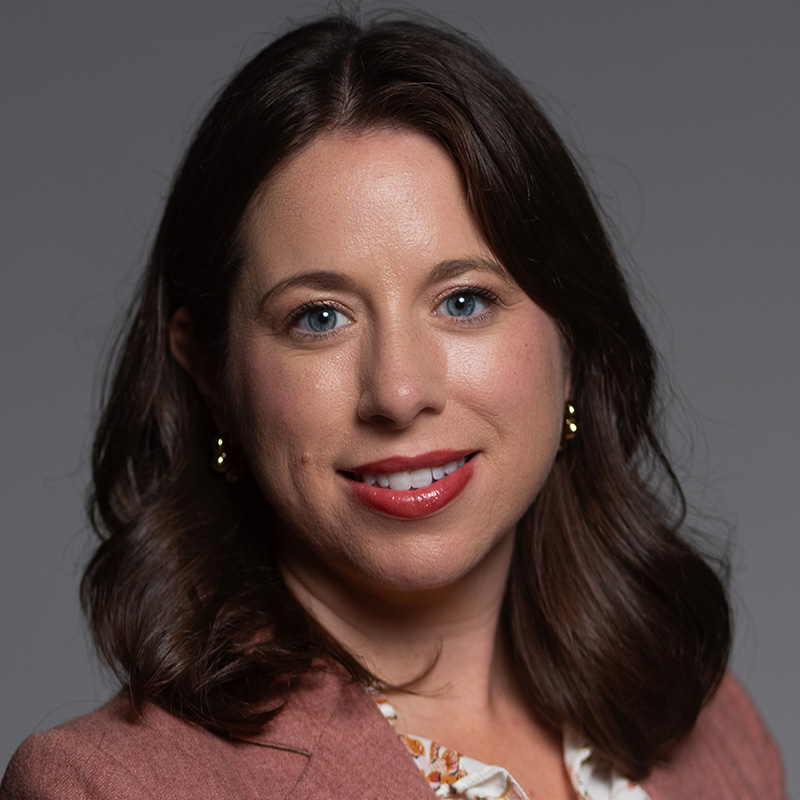
In this special episode of the What the Health? podcast, host Julie Rovner is joined by Mollyann Brodie, executive vice president and chief operating officer at KFF; Larry Levitt, KFF’s executive vice president for health policy; and Amanda Seitz, Washington health policy reporter for KFF Health News.
Panelists


Among the takeaways from this week’s episode:
- Voters cited economic concerns as their primary motivation in supporting Democratic candidates across the board in the midterm elections. Many stated that they were pointedly voting against Trump’s policies.
- Even with full control of Congress, Democrats must grapple with the reality that Trump can veto legislation — and may be unwilling to budge when it comes to reversing changes his administration and the GOP have put in place, such as cuts to Medicaid or, in particular, the Affordable Care Act.
- Health and Human Services Secretary Robert F. Kennedy Jr. is likely to be among the Trump officials hauled before Congress, to testify about vaccines, medical research, staff layoffs, drug pricing deals, and much more. With vaccine research — a personal priority of his — in progress, Kennedy may be reluctant to leave his post, though it is unclear whether staying could become untenable for him under the Democratic Congress.
Click to open the transcript Transcript: A Blue Wave Hits Healthcare
[Editor’s note: This transcript was generated using transcription software. It has been edited for style and clarity.]
Julie Rovner: Hello from KFF Health News and WAMU Public Radio in Washington, D.C. Welcome to What the Health? I’m Julie Rovner, chief Washington correspondent for KFF Health News. For this week’s podcast, we’re rerunning the live, post-election event on the coming health debate, featuring some of my smartest colleagues from KFF and KFF Health News. We taped this on Thursday, Nov. 5, at noon. As always, news happens fast and things might have changed by the time you hear this. So, here we go.
Welcome. Thanks for joining us for this special event, “What Do the Midterm Elections Mean for Healthcare?” I’m Julie Rovner, chief Washington correspondent for KFF Health News and host of our weekly podcast, What the Health? Today, I’m joined by some of my favorite health policy experts, who also happen to be my colleagues. We’re going to chat amongst ourselves for a while. Then we will turn to your questions. Let’s start by introducing our panel. Larry Levitt is KFF’s executive vice president for health policy. Mollyann Brodie is KFF executive vice president and chief operating officer and executive director of our public opinion and survey research program. Come January, Molly will be president and Larry CEO of KFF. Last but not least, Amanda Seitz is Washington health policy reporter for KFF Health News. OK, let’s do this.
So, the blue wave that was widely predicted for the 2026 midterms not only materialized — it overperformed. As of this morning, even with many races still yet to be called, Democrats have comfortably won back control of the U.S. House and the U.S. Senate, as well as a majority of governors’ mansions. And while healthcare was only a piece of the puzzle that led voters to a very loud rejection of the policies of the past two years, as my panelists will detail, it was a pretty significant piece and likely signals yet another major health debate to come pretty soon. We’re going to start by asking Larry to give us an overview of where we are in the health debate coming out of these elections. Molly will decipher what we learned from the exit polls. And Amanda will give us a look ahead to what these results mean for the Trump administration and its health policies. So, Larry, let’s start with you. What just happened? And what does it mean going forward? And how much can Democrats actually do in the next two years with [President] Donald Trump still in the White House? The expectations already seem impossibly high.
Larry Levitt: They certainly do. And first, I would say we’re probably looking at what Democrats can do in the next one year, not two years, since 2028 will be a presidential campaign and Congress tends not to do a lot during the years of presidential campaigns. As you said, the size of this blue tsunami means huge expectations for Democrats, especially on healthcare, because this was very much a healthcare election. It was the No. 1 topic in ads during the campaign for Democrats and a big part of their priorities when they take control in January. I would say the expectations for what Democrats can accomplish on healthcare should be tempered by the fact that President Trump will still be in the White House and has a veto pen. Apparently, he has a veto hat as well, but I think the pen is probably more important here. But it doesn’t mean Democrats can’t accomplish anything.
I see four paths here, and they’re not mutually exclusive. In fact, I expect Democrats to take all four paths. The first is I would expect Democrats to very quickly try to reverse the Medicaid cuts that Republicans passed in HR 1, or the One Big Beautiful Bill Act, and restore enhanced premium subsidies in the ACA [Affordable Care Act], which has led to millions of people losing coverage and millions more having their premiums increase. These are core issues for Democrats, and they’re united on these issues. I also expect President Trump to veto any bill that the Democrats pass to do this if they are able to pass it.
So that takes us to the second path, which is kind of a game of 3D chess for Democrats, to try to figure out what and how they can get President Trump to agree to restore some of these healthcare cuts. Maybe it’s a delay rather than a reversal, or maybe it’s including some Trump priorities like health savings accounts as part of restoring ACA premium subsidies. It could be using must-pass legislation like government funding bills as vehicles and leverage to get these things done.
The third path, I think, are populist healthcare ideas that could attract bipartisan support among Republicans in Congress and President Trump. If you listen to President Trump and Democrats on drug prices, they talk about a lot of the same things, use the same rhetoric. This could lead to a strange-bedfellows kind of deal on bringing down drug prices, and similarly on price transparency, breaking up big insurance conglomerates, and prior authorization.
And then the fourth path, which leads to the 2028 presidential campaign, is developing Democrats’ next big healthcare reform ideas. For some Democrats, that’ll be “Medicare for All.” For others, it’ll look more like an opportunity for anyone to buy into Medicare, more like a public option. It could mean caps on patient out-of-pocket costs or caps on hospital prices. Democrats are not going to try to negotiate these ideas with President Trump, and they probably won’t even pass legislation. It’s more about setting up these health reform ideas as signature issues for Democrats leading up to the 2028 presidential campaign.
Rovner: Molly, you’re our polling guru. What did voters tell pollsters about how health policy factored into their decisions and how to vote?
Mollyann Brodie: Yeah, let me just take a step back and say: What did we learn Tuesday night from the voter polls? And as many of you know, there’s two different voter polls, and our team here at KFF crunched the numbers on both of them, and we actually added some health-specific questions to both of them. And that data is released today on a dashboard that I think is going to get into your feed right now. Voters definitely had healthcare costs on their mind, and it definitely impacted their vote choice. So, the economy was a top issue in one of the vote polls. In the other vote poll, as soon as you allowed people to say the three top issues, it was economy and healthcare. And when we’re talking about the economy, it’s really the cost of living, and we could tell that healthcare was a big part of that. In fact, 6 in 10 voters told us that they were very concerned about the cost of healthcare. That put it on par with gas and groceries. Two-thirds of the voters who were very concerned about the cost of healthcare voted for the Democrats. Now, that is a very big shift from what we saw in the 2024 election, when President Trump had a 10-point advantage over Vice President [Kamala] Harris among the voters who were most concerned about healthcare costs. So that has shifted.
The other thing that we saw that has shifted is that these midterm voters name the Democratic Party better able to handle a range of issues, including on foreign policy and on the economy. But the biggest advantage the Democrats had was on healthcare. In fact, they have a 20-point advantage over the Republicans on that. Now, some of the questions we added to the poll were to get a little bit deeper down on what people thought of the Trump administration policies and whether they had impacted them, and, in fact, more than half of voters told us the other night that the Trump administration’s healthcare policies had made their healthcare costs worse and their ability to get healthcare that they needed worse. That was four times the share who said that that had made them better, and this blame was directly tied to support for the Democratic candidates. So, in fact, among those who said that the administration policies had worsened their own healthcare costs, we found 8 in 10 voting for the Democrats. Even among independents who said that they blame the Trump administration for rising costs, 7 in 10 voted for the Democrats. And even among Republicans who said that they blame the administration for their healthcare costs, 2 in 5 voted for the Democrats. So I think there’s lots of evidence that healthcare and healthcare costs were on people’s minds.
But given all of that, voters did tell us some other things that I think are cautionary and I think we should keep in mind as we start talking about the next couple of years. They did tell us that this election was largely a rejection of the Trump administration economic policies, and more voters said that their vote was against Trump, right? That’s why they were out there. And despite this blue tsunami that we saw, the Democrats as a party are not particularly popular overall. Voters who voted that night or over the last few weeks, 52% of them told us that they have an unfavorable view of the Democratic Party. That includes 19% who actually voted for the Democrat in the House. And among independent voters, 60% have an unfavorable view of the Democratic Party. Truth be told, 72% of them, so a higher share, have an unfavorable view of the Republican Party, which definitely bodes for why the election turned out the way it did. But what it does suggest is that, as Larry said, expectations are super high among voters right now, and they are demanding action on healthcare costs. And for now, they do trust the Dems more than Republicans to deliver on that.
But it’s not that they’re just madly in love with the Democratic Party and just rallying around the flag. And as we do start talking more and more about what’s next, I think this question and the things that Larry laid out, it’s: How quickly can the new leaders deliver these things that people are going to expect? And can they do it quickly enough to meet that expectation? Especially since, as Larry said, the 2028 election is going to be basically right around the corner. So I’ll stop there.
Rovner: It’s already begun. So, Amanda, Democrats are obviously on the hot seat in terms of people expecting them to deliver. But this really impacts the administration and its policies going forward, too. How do these results change what the administration has been pushing in its ongoing health policy efforts? And this was kind of a big rebuke to the Make America Healthy Again, right?
Amanda Seitz: Yeah, I think the first thing to keep in mind is that we are still waiting to see how Trump is going to respond to all of this. We’ve seen already several different versions of Trump. On Wednesday, we sort of saw this conciliatory tone: I’m going to work with Democrats. Voters sent me a clear message that I need to get things done for America. And then by yesterday afternoon he was giving tours of the ballroom that I think a lot of Americans said that they were concerned about, since they said, OK, we’re a little frustrated that he’s focused on his legacy a little bit more than the American people. So today he has no public appearances. I would suspect that he’s going to be having a lot of behind-the-scenes conversations, and we might start to see some fallout, perhaps, from the very awful outcome for his party on Tuesday night.
I think for [Health and Human Services] Secretary [Robert F.] Kennedy [Jr.] and CMS [Centers for Medicare & Medicaid Services] administrator Dr. [Mehmet] Oz focused a lot on this fraud crackdown in Medicare and the ACA in the final weeks before the election. I think we’ll definitely start to see them pull back on that. It certainly wasn’t winning over any voters for the party, and there’s really no need for them to do this media blitz that they were doing anymore now that the election has wrapped up. The other thing that I’m really curious to watch over the next couple months is, as Larry said, no one’s really expecting President Trump to go along with this idea of reversing the cuts to Medicaid in HR 1. Republicans really do view that as a signature achievement of this administration so far. However, I think we should be watching the rulemaking around Medicaid over the next couple weeks and months. We know, for example, that the Medicaid frailty, the frailty definition, has already been challenged in court. There’s a lot of—
Rovner: And that’s to do with the work requirements.
Seitz: Right, with the work requirements that are supposed to be introduced Jan. 1. So there’s going to be a lot of pressure now on this administration to take a look at that again, especially when you have state legislatures that are now turning Democratic as well. So that is one area that I’d be watching, and I’d be looking at the rulemaking over the next couple months.
Rovner: So the Democrats, obviously, the first big expectation is to reverse the cuts, reverse the Medicaid work requirements, reverse the other Medicaid cuts, try to restore the expired extended subsidies from the Affordable Care Act. They have an 80-some-page working paper on all the things that they should do, things they should do in the first hundred hours, things they should do in the first hundred days, things they should do sort of over the course of the year. Nowhere in that 84 pages, and I read through it pretty carefully, is there any suggestion of how they would pay for any of these things. Is that the shoals where the Democrats are going to crash?
Levitt: Yeah, that is always the sticking point in any piece of legislation. It’s much easier to get people to agree on what you should do or what you shouldn’t do. Much harder to get people to agree on how to pay for it. And we’re talking about a lot of money, right? We’re talking about almost a trillion dollars over 10 years in the Medicaid cuts, hundreds of billions of dollars for restoring the ACA premium subsidies. And I think that’s going to be a big fight, probably a big fight among Democrats, even whether they should try to pay for it. Republicans didn’t pay for all of the tax cuts they passed. And if this is a bill that the president is likely to veto anyway, why fight over how to how to pay for it? On the other hand, Democrats, I think, are probably quite unified on not only reversing the Medicaid cuts but reversing many of the tax cuts as well, particularly on wealthy people. But that will be the first big fight, is whether Democrats pay for it, how they pay for it, and procedurally how they’re even going to proceed.
Brodie: One thing that I worry about a little bit, too, Larry said before, President Trump has a veto hat. And even if, say, the Democrats solve all the problems Larry just laid out and pass something, and the president vetoes it, well, I know there’s a sense that that’s success. Not necessarily from the public’s perspective. They’re still not going to see any changes. And so trying to figure out how you’re going to message to a public about patience and We did it but he vetoed it, that is yet, I think, another challenge that Democrats really have to think about as they’re plotting their strategy going forward.
Seitz: I think the other thing is: How much are they willing to give Trump here to achieve maybe a success for the American people? I think that for the Affordable Care Act extended subsidies, which Democrats are likely to introduce very quickly, as well, to reopen those again and maybe the open enrollment period, they might have to offer him something that allows him to put his own stamp on it, for Trump to sign off on that, if he’s even willing to. So it’s a careful balance here for Democrats, of: Are there things that we can give the president so we will get his buy-in? Or do we not even want to give him anything that will allow him to put his name on it?
Rovner: How sure are we that the president is going to veto these things? This is, obviously, I think he’s acknowledged now that this is his last two years in office. He’s obviously thinking about his legacy. We know he likes to think about his legacy in terms of physical buildings like the ballroom and the Reflecting Pool. But I’m wondering if at some point — Trump has proved very unpredictable in the past. Incoming senator from Michigan Abdul El-Sayed said he would be happy to name his health plan after Trump if it would get Trump to sign it. Is there a chance that Trump flips and signs some of these things?
Levitt: “Unpredictable” is an understatement, right? And I am not sure that President Trump was so attached to these cuts in Medicaid in particular. He said during the 2024 campaign that he wasn’t going to cut Medicaid, he wasn’t going to cut Medicare, right? So I doubt that was a priority for him. I’m sure the tax cuts were. I don’t think we can necessarily predict exactly what President Trump would do. On the Affordable Care Act, he has been more dug in there, right? He has, back to when he first ran for president, campaigned against Obamacare. Hard to see him just wholesale agreeing to what Democrats put forward as a full restoration of the enhanced premium subsidies. As Amanda said, it seems like you need to give him, allow him to put some kind of stamp on that for him to agree to it.
Rovner: Second possibility: Will the Republicans change their minds? The Republicans left in Congress, who now have a lame-duck president who basically led their party into a pretty big bloodbath election night. We did see when the Democrats were forcing votes on extending those enhanced premium subsidies, we did see a number of Republicans vote for them. Is it possible that we would see enough Republicans to override a veto?
Seitz: Well, a lot of those Republicans lost their seat on Tuesday night — 12 out of the 18, I believe. I think there’s one more race, too, that’s still out there and not looking good for the Republicans. So we’re not going to see them flip, because, any buy-in from them anymore, because they’re gone. I think that you will certainly have some head-scratching, though, in the Republican Party: Do we need to take a closer look at this? And let’s keep in mind that a lot of people who moved to the ACA and benefited from these subsidies were from red states. So Republicans really do have every incentive here to take a look at whether or not they do want to look at the Affordable Care Act extended subsidies again.
Levitt: Yeah, and it’s not just red states, but it’s constituencies that have traditionally been Republican as well, the people who benefit from those enhanced premium tax credits, particularly middle-income people above four times the poverty level. These are farmers and ranchers and small-business owners, very traditional Republican constituencies. There were also some Republicans who were concerned about the Medicaid cuts. [Sen.] Josh Hawley, maybe an unlikely compatriot of Democrats, but he was definitely concerned about what effect those cuts would have on hospitals, particularly rural hospitals.
Brodie: Well, and we should always remember, just from the public’s perspective, that Medicaid is a very popular program and it affects a lot of people, and people have attachment to it in a lot of different ways, whether it’s they themselves or a friend or family member. So again, as you’re trying to satisfy a high-demand public, Medicaid is something that we should remember is very popular.
Rovner: And we learned that during the first Trump administration when they were trying to repeal the Affordable Care Act. And to the surprise, I think, of a lot of elected officials, getting rid of the Medicaid expansion turned out to be extremely unpopular, which I think people did not really appreciate until then — although I think they do now. Well, among the new faces in the House and Senate and governors’ mansions are several Democratic MDs, including South Carolina Sen.-elect Annie Andrews, Michigan Sen.-elect Abdul El-Sayed, and Ohio Gov.-elect Amy Acton. In recent years, most of the doctors in Congress have been Republicans. How is this going to change the health policy debate in Congress to have so many physicians and practitioners and people who are sort of steeped in public health?
Levitt: Yeah, I think physicians are not always experts in the healthcare system, but these particular physicians, I think, are and have made a career of it. But physicians have a lot of credibility in healthcare debates. So having physicians with a different partisan stripe will change the character of those debates. And some of these, particularly Abdul El-Sayed is coming in as a prominent advocate of Medicare for All, too. So I think he will immediately have a platform to talk about those issues.
Seitz: The other thing is that we’re used to seeing this type of Republican who sort of runs on the idea that: I’m a doctor. I’m a small-business owner. I’m here to cut red tape. That is very much not what these Democrats were running on. They were running on the idea of: I support public health. I think we’re going to see a lot of full-throated endorsement for restoring public health cuts, public health research, vaccines, of course. And the other interesting layer here is that a few of these candidates, Annie Andrews from South Carolina, they actually have a history in working in gun violence prevention. So you might see doctors that are talking about really the awful tragedies that occur from gun violence in America as well, which I think will be very different from what we’re used to from the Republican doctors.
Rovner: A lot of these doctors who were running were talking about public health and particularly about vaccines. Molly, the voters were asked about their view on some of these public health issues, right? What did they tell exit pollsters?
Brodie: Yeah, again, when asked about whether the Trump administration activities on vaccines made things better or worse, 5-to-1 margin said it made things worse than better. So, they are also asked, back to the MAHA agenda, whether the Trump administration policies made Americans healthier, and they also said that it made it worse. So, I think in all these cases, voters are really rebuking the administration’s policies and will be looking for sort of new approaches on these things.
And as Larry said, in all of the questions that we’ve been doing, everything we’ve been doing trying to understand sort of trust and trust in public health and trust in messengers, physicians, particularly your own personal physician, is the one that still retains almost universal support. About 80% still trust their physician. But even doctors in general and doctor associations have a high degree of trust, whereas most other organizations, like we’ve seen across other arenas, have really fallen off in terms of people’s trust. So having all of these new doctors in Congress with their new faces, I think, as they’re talking about these issues, they will have just more inherent trust by whoever they’re speaking in front of, just by nature of them being physicians. So I think that will actually lead to some of those conversations just being less discounted by a very distrustful country than they would have been if they weren’t talked by that same sort of person.
Rovner: So before we get to the next Congress, there are a lot of leftover health issues facing the lame-duck Congress, which returns to Washington next week. Nominations pending in the Senate include those for deputy HHS secretary and FDA commissioner. Funding for HHS at the moment runs out on Dec. 11. How does the prospect of an incoming Democratic Congress impact what might get done before the end of the year?
Levitt: It definitely changes the dynamics, right? I mean, there is certainly no incentive for Democrats to be very cooperative in this lame-duck session to do anything more than is necessary to keep the government going, because they know they’re coming in with these big majorities. I suspect Republicans are also exhausted from this election. I mean, you know, I’m not sure they have the energy for aggressive legislating. But there are some members who are leaving who want to try to cement their legacy. I mean, folks like Sen. [Bill] Cassidy from Louisiana, Sen. [Thom] Tillis from North Carolina, who have both been very active on healthcare issues. Sen. Cassidy, in particular, has been a leader on eliminating surprise medical bills. The No Surprises Act did that. Consumers, patients are being protected from surprise bills, but the rest of the system is a mess in terms of how insurers are paying physicians and the arbitration process. So that I’m sure will be a high priority. … Whether it can actually get done in this lame-duck session, I think, is a very different question.
Rovner: Amanda, what about the nominations? Obviously, there is still a Republican majority in the Senate, but, as Larry said, there are some people who are on their way out. Some of them, like, involuntarily.
Seitz: Right. If you’re, you know, FDA commissioner nominee Heidi Overton right now, I think you’re pretty nervous. Sen. Cassidy was pretty lukewarm toward her. If you’re Susan Collins, I don’t know that you have a lot of interest in going along to get along with Trump’s nominees anymore — even though you’ve done that for the last few years. So that is one that I think could be very interesting. The deputy secretary nominee, Chris Klomp, he had pretty bipartisan support. It seemed he’s well liked, so I could see him still making it through just fine — in part because I think Democrats even also want an adult in the room that they can trust at HHS. So there is still that concern, of course, that, like, you don’t want all of these headless agencies forever, and I think that’ll play into some of the decision-making for these senators on how they approve these nominees. But, like I said, if you’re Heidi Overton, you’re pretty nervous right now.
Rovner: Yeah, I mean, we do know that Trump in his first term had just a ton of “acting” this and “acting” that. You know, when people would leave, he just wouldn’t even bother to nominate anyone. So I guess in some ways, it’s going to be up to not just the remaining Republican majority, but some of these Democrats. Would they rather have someone than “acting” who could be anybody that, you know, that Trump picks?
Seitz: Well, and that they now can hold accountable too, right, is the other angle as well there.
Levitt: Yeah, although the flip side of that is if you’re one of these nominees, you know you’re going to be on the hot seat with Democratic oversight and investigations, and that may make you a little less excited about wanting to hold these jobs.
Rovner: Yes, which leads to one of our most popular questions from viewers, which is, what’s going to happen to HHS Secretary RFK Jr.? Is he going to leave because he doesn’t want to spend his time being grilled by Congress? Is he going to be kicked out? Is he going to be impeached? Which I guess is technically a possibility.
Levitt: You know, I gave up predicting the future a long time ago. But I have no idea whether Secretary Kennedy will go or stay, either voluntarily or involuntarily. But I do know that Secretary Kennedy’s actions and actions within HHS are going to be a very hot topic for Democratic oversight and investigations. You know, Secretary Kennedy’s actions on vaccines, on medical research, the layoffs, eliminating efforts to address racial disparities, the most-favored-nation drug deals that President Trump has negotiated that have not been made public. I think these are all going to be sources for oversight and investigations. And I don’t think it’ll stop with the Trump administration officials either. I think Democrats are going to be calling in health industry leaders for investigations as well.
Rovner: Amanda, you have your ear to the ground. What are you hearing about the secretary’s future?
Seitz: You know, one thing to keep in mind is that the Democrats have a lot of people to investigate, and certainly in their statements, we saw a lot of focus on the Department of Defense, Secretary Pete Hegseth, and deportations, ICE, of course, DHS. So those might be prioritized first, which helps Kennedy buy a little bit of time, at least, I think. For a while, the White House was basically telling him to back off of his vaccine work. They have now let him focus on that again over the last few months; it’s something that is very important to him. He has studies that he wants to complete. President Trump has fully bought into all of that. So I think right now he probably wants to stay on and see that work be completed. The question becomes: Does it become so untenable for him that he doesn’t want to stay? I think in a lot of ways … we know that he doesn’t love to testify in front of Congress, and he’s going to be probably dragged in quite a bit. So that’s not going to be super enjoyable for him. And we know, too, that President Trump is really going to be looking for folks to take these losses out on. And does Kennedy become one of those people, one of his Cabinet members that he sees no longer serves him? That’s always a question with President Trump, and it’s a possibility for Secretary Kennedy as well. Although, you know, I’m told that their relationship is very strong, and, again, that they are very in step on the vaccine issue, on autism as well.
Brodie: One thing I will just say that we learned on Tuesday night is that, you know, Iowa, in particular, is a state that Republicans really leaned into MAHA, and they sent RFK there a lot, a lot. But it’s also the state we saw the biggest swing towards the Democrats. They won the Senate, the governor. They flipped three out of four of the House seats. So, you know clearly, at least for voters, the economic issues, the higher gas prices and diesel prices, just so far outweighed anything that RFK or MAHA meant to them at that time. And I just wonder how much that plays into other people’s calculations about going forward. I think Amanda’s right about President Trump’s affiliation with him and about, in supporting his agenda and maybe wanting to see it through. But there’s a lot of other people who might be around who take a look at some of that data and suggest something else about his impact.
Levitt: We know, too, from our polling that even for MAHA voters, people who identify with the Make America Healthy Again movement, the cost of living and healthcare costs are paramount. And you know, we’ve also learned, I think, over the last several months that vaccines are a priority for a portion of the MAHA movement, but it is not the only priority. I mean, there’s food safety, there’s pesticides, other issues that, for many of them, are more important, and they’ve been disappointed with what the Trump administration has done.
Brodie: And I will just add those other issues: pesticides, food safety, regulation. That is issues that you get the whole American public to agree with. I mean, again, back to trying to unite this country and get things that the public really can stand behind. We get large, large shares and majorities who agree with MAHA on those issues. So.
Seitz: And if we see Democrats lean into that, which we already are a little bit more, if you’re President Trump, you might be asking, is Secretary Kennedy delivering those votes that he did for me in ’24? I mean, that’s what really helped move this relationship in such a positive direction, and there is a possibility that, as you pointed out, Molly, that places like Iowa aren’t doing so great with this MAHA movement. So, you know, is he, again, is he really serving the president? I think is the big question here.
Rovner: So, one of the things that we’ve seen that is, I would say, unique in the last two years is the administration taking way more authority than perhaps has been granted by Congress, and Congress sort of feebly trying to push back, particularly on funding things like NIH [the National Institutes of Health] and the Agency for Healthcare Research and Quality, and, you know, Congress has put in its appropriation bills that, you know, you will spend this money, and this administration has very much said, “Yeah, no, we don’t think so.” How does a new Democratic Congress take back its power of the purse? Can they at this point? Or is the genie kind of out of the bottle?
Levitt: Oh, I would fully expect them to try to take back the power, and I think it won’t stop in language and budget bills. It’ll extend to the courts. I mean, there are some of these issues, you know, where it’s really a fight between Congress and the White House, where no one has legal standing to sue except Congress. And a Republican Congress was certainly not going to do that. But I could very well see a Democratic Congress taking the White House to court. So there’s going to be a lot of activity in Congress, but I think there’s going to be a lot of activity in the courts as well over the next couple of years.
Rovner: Even more than we’ve already seen.
Levitt: Yes. Even more. Even more. Exactly.
Rovner: So I want to talk about the states a little bit. South Dakota voters defeated a ballot question that could have curtailed the state’s Medicaid expansion. And Georgia, one of the states that has not fully expanded Medicaid under the Affordable Care Act, elected a Democratic governor for the first time since the ACA became law. Might we see an expansion there? And what are the prospects for rolling back the Medicaid cuts made by President Trump and the Republican Congress?
Levitt: I mean, I’d add Texas to your list as well. I mean, Texas has a Democratic governor and now a Democratic House, not a trifecta, so not full control. Before Tuesday, I would have not expected much activity in the 10 remaining states that have not expanded Medicaid. But I think that dynamic has changed. It may be related to the other part of your question, which is what happens with the Medicaid cuts. The Medicaid cuts were very targeted at states that expanded Medicaid under the Affordable Care Act. If those cuts get rolled back or delayed, that may make it even more attractive for places like Texas and Georgia to try to expand.
Rovner: Yeah, they’ve been giving up a lot of money over these last 15 years.
Levitt: Absolutely.
Brodie: Right. And I’ll just add that the public who lives in those non-expansion states recognizes that, and they have wanted and supported expansion all along. So, with these new Democratic governors, I mean, and I do think that a focus on the states and a focus on so many blue governors, you know, where there is sort of maybe a little bit more local control over things, is where we’ll see a lot of potential changes.
Seitz: There’s also an easy out here now for Republicans too, because of the work requirements, that they can say, Hey, you know what? I’ve opposed this for a long time, but now that we have these new measures in place, I can support more people going on Medicaid because I know that they’re going to either be working or that they are simply too sick to have any other option. So I think that is another play to watch from Republicans.
Rovner: A fig leaf they could hide behind. Well, while we’re on the subject of the states, I want to broaden it out beyond Medicaid. We have five states now that have a Democratic trifecta — five new states with a Democratic trifecta, meaning the state, meaning the Democrats control the governor’s house and both houses of the legislature: Michigan, Minnesota, Nevada, Pennsylvania, and Wisconsin, and we’re waiting on Arizona, which could be a sixth new state. What would you expect those states to do, to pursue, in terms of health policy while the feds are fighting amongst themselves?
Levitt: Well, I come back to where we started: healthcare affordability and the cost of living. I mean, those are still the issues top of mind for voters. And you know, I mean, we talk a lot about Medicaid and the Affordable Care Act and Medicare, because those are federal policy issues. But more people get their insurance through employers than any of those other sources, and they are suffering as well. Right? Workers saw their premium contributions for family coverage increase by 9% this year. Deductibles have gone up and are almost $2,000 per person in employer plans. And we’ve seen in years past states take the lead on some of these ideas. You know, Massachusetts passed health reform that paved the way for the Affordable Care Act. And I think particularly with these Democratic governors, these trifectas in some of these states, they’re going to try to push the envelope in what they can do as states to improve healthcare affordability, and those could start to be models for, you know, national efforts going forward.
Rovner: You know, once again, the states as the laboratories of democracy.
Levitt: Yeah, exactly.
Rovner: So I have a question from a fellow reporter here. Several senator-elects have signaled that expanding Medicare drug price negotiations will be a priority. Can you go into more detail on what that may look like? Also, do you think there might be room to codify Trump’s most-favored-nation policies? And do you think that could be used as a carrot to reverse Medicaid cuts and ACA enhanced subsidies? Something that we know the president feels very strongly about.
Levitt: Democrats have put forward a number of ideas for expanding drug price negotiation in Medicare, expanding the number of drugs that where the prices are negotiated, and I think most significantly extending those negotiated prices to everyone, not just Medicare. People in employer plans, people who buy their own insurance. So I would expect … Democrats to put forward those ideas. You know, and I’ve heard the idea that Democrats call President Trump’s bluff. You know, that he wants most-favored-nation pricing. He wants to tie drug prices to the lower prices in other countries. So Democrats introduce a bill, you know, to do just that.
Brodie: And what I would add to that is that the American public, for decades, has never understood why you couldn’t negotiate prices with Medicare. Why can’t you be doing this at more and better ways? That’s just the American way. We can negotiate for everything. Why can’t we do this? So when you’re thinking about a population base, a voter base who is really expecting changes and really wants changes, this might be one way to actually start delivering a little bit, because this just makes so much sense to people across the board.
Rovner: So obviously, drug prices are one area of potential bipartisan cooperation, but there are a lot of other potential bipartisan health issues out there: site-neutral payments, where, you know, hospitals don’t get to get to charge extra because they own the doctor practice where that office visit takes place. Things like Josh Hawley, a very conservative Republican from Missouri’s bill that would, you know, impact healthcare consolidation. I mean, is there an opportunity for real bipartisan movement on some of these health issues? Some of these that have been kicking around for a couple of congresses now, many of them. Things like, you know, reforming pharmacy benefit managers.
Seitz: I think that’s one. The PBMs too, as well, and the site neutrality as well is a great example. And I think this is sort of the area where we will potentially see President Trump really come to the tables on some of these smaller issues. It’s not giving Democrats necessarily a huge win, but it’s helping move the needle a little bit. And we did actually see him, you know, the No Surprises Act was passed at the end of his last presidency, and that was a bipartisan effort as well. So I think we’ll see some of that again toward the end of his term.
Levitt: Yeah, one thing we’ve seen with the first election of President Trump in 2016 is kind of the rise of more populist Republicans on healthcare issues — Sen. Hawley being a perfect example of that. You know, health insurance companies are getting attacked from all ends of the political spectrum, and that was not always the the case. Just the other day, CVS announced that they’re going to break themselves up. Right? They originally merged with Aetna and became a pharmacy insurance conglomerate. They’re going to break themselves back up. You know, in part, seeing the tea leaves that not just the federal government but states are coming after these big insurance conglomerates.
Rovner: Yeah, I thought that CVS news was kind of a Let’s get out in front before they do it. We’ll do it to ourselves before they do it to us.
Levitt: Right.
Rovner: Molly, what role did abortion play in this blue wave? It wasn’t really top of most agendas the way it was, you know, in the immediate aftermath of the Dobbs decision that overruled Roe v. Wade. But it was there under the surface, wasn’t it?
Brodie: Yeah, I mean clearly back to point one, two, and three, this was an election about the economy and about people’s costs and their prices, right? It wasn’t so much about abortion, but it was on the ballot in four states. In those four states, in three of them, an abortion right ballot initiative passed; in one, Idaho, it didn’t. And they maintained, in a sense, they maintained a sort of status quo in Idaho.
Rovner: Where they have a very strict ban.
Brodie: Very strict ban, right. I would say that you know in terms of what the voters told us, it was definitely an issue lower down on the rankings, again, because this was an economic election. And it was slightly higher, and there were larger shares in both Idaho and Missouri where it was on the ballot, of voters who said it was important to their vote. Those this time, those voters who named abortion did split a little bit more towards opposition to abortion than for, in favor of abortion rights, which is a change since the Dobbs decision. Every other time it’s been on the ballot, the voters who said it was important to their vote were much more likely to be for the abortion rights position. But again, I think that says a little bit more about where it was. It was Missouri. It was Idaho. I’m not, you know, it’s not clear that this was an election where it actually changed turnout numbers, where it was, definitely, had impacted previous midterm elections and previous special elections in terms of turnout. I think Missouri was particularly interesting just because of what Amendment 3 really was, and just as a reminder to folks. You know, in 2024, voters in Missouri had approved a constitutional right to abortion. This time on the ballot, also called Amendment 3, was an amendment that would reverse that constitutional right, but what it also would do would prohibit gender-affirming care for minors, which honestly is already largely banned in the state anyway. But this was a strategy. And what we found, this was another place where we added additional questions onto the national voting polls, this one on the NORC poll, and you can see it on the dashboards. We found that while 6 in 10 opposed repealing the right to abortion, 6 in 10 also supported prohibiting gender-affirming care. But then, when we sort of force voters to then choose, and clearly seeing that the outcome was that the amendment failed, voters were nearly five times as likely to say that abortion policy was a more important issue to them than the issue of gender-affirming care. That was 45 to 8. On the other hand, about half said both. And so I say this as sort of a caution for advocates, particularly for gender-affirming care, that this is sort of, it clearly wasn’t the driving issue, and that’s clearly why this abortion outcome, why this amendment did fail, because that wasn’t as important to voters. But it’s still there under the surface. Is it something that I think advocates really need to be paying attention to?
Rovner: Yeah, I’m wondering what’s going to happen in this sort of newly democratic Congress with an anti-abortion president, or at least one who has been an anti-abortion president, whether how high up, I mean, obviously they’re coming in and saying it’s all about affordability. You know, that’s what the voters said. That’s what we’re going to concentrate on. But it’s going to be hard. The same way the Republicans have always had trouble, sort of, you know, they ignore their social-issue voters at their peril. I mean, will Democrats ignore their social-issue voters at their peril too?
Brodie: Yeah. I, again, when you think about what’s really on voters’ minds, this is not where they’re spending their time thinking. Right now they want to pay their bills and they want to put food on the table and they want to be able to get their gas for driving to their work or to their farm. On the other hand, when abortion has been on the ballot, in almost every single case, abortion rights has won. So, and this is a president who has said that it is something the state should decide. So, I think when it comes to that, I think the Democrats can go ahead and focus on the thing that really matters to people right now, which is affordability.
Levitt: You know, it’s interesting, Julie, too. I mean, you and I, Molly, have watched this for a long time. You know, the Democrats have a big-tent majority now in Congress, but it’s very different from previous generations, right? There was a time when a big-tent Democratic majority meant some Democrats who were opposed to abortion rights, and, as far as I know, there is no member of Congress in the Democratic Caucus now who will be opposed to abortion rights. But it is still a diverse Democratic Caucus, right? I mean, you have some of these progressives who’ve won, who are going to push ideas like Medicare for All. You’ve also got some moderates, you know, what have historically been called “Blue Dogs,” who will be opposed to that and will have very different ideas. So I think Democrats will be united on things like abortion rights, on reversing Medicaid cuts, extending the ACA premium subsidies, but they won’t be united on everything.
Rovner: Yeah, in the early 1990s, I did a story that found a third of members of Congress were anti-abortion, not just actively anti-abortion. The parties used to be much more divided on this issue. Republicans had many more abortion-rights supporters, and Democrats had many more anti-abortion supporters. And that’s part of why Congress has been sort of unable to legislate on this issue in the 40 years that I have been covering it. But Larry, as you point out, I mean, this last, under President Biden, that was the first time there had been a pro-abortion rights majority in the Congress since Roe v. Wade in the history of legalized abortion. Which brings me to the one thing we haven’t talked about: Democrats are clearly going to have to have their fight about, you know, the the conservatives and the Medicare for All types, and the, you know, do we do this incrementally? How do we do it incrementally? I see that leader [Hakeem] Jeffries, soon to be Speaker Jeffries, has tried very hard to have these people try to negotiate this out before it gets into the light of day. But we certainly saw it. The fight over how far to go killed the Clinton health plan, and it almost killed the Affordable Care Act. What can the Democrats do to prevent their intra-party fights about how to proceed on healthcare from tearing them apart again?
Brodie: Maybe I’ll just start by laying out the public opinion challenge, and then Larry can think about the policy challenge. But the public opinion challenge is real, right? Even in this exit polls and these voter polls, we added a question about government’s role in providing health insurance, and 6 in 10 said that they wanted the government to play a larger role. And particularly in Michigan and Maine, where the two Senate Democratic candidates ran on sort of Medicare for All and were progressives, those shares were even larger. And among the people who voted for the Democratic candidate in Maine and Michigan, it was almost universal, right? And as I think many of you know, in our pre-election polling, we have found the highest level of support for Medicare for All than we’ve ever found before, at 66%. But I say that that number comes with so many caveats and so many cautions, and the challenges is that when people are responding to that at this point, it is their initial reaction, and it is as much a reflection of just their frustrations with this healthcare system and with their costs of care as it is a real measure of support for a fundamental change in how our healthcare system works. They know they want something done, and this sounds good. But as soon as — I mean, we have such a long history of polling on this, and I’m sure somebody will put into your chat our latest public opinion data note on this topic — but the minute that we start talking about any kind of trade-offs or messaging, we can see that that support is so malleable. I can move it up to three-quarters if I talk about it being a guaranteed right to healthcare or eliminating insurance premiums and reducing out-of-pocket costs. I can plummet that support down to the 20s if I talk about it requiring people to pay more in taxes or threatening the current Medicare program. So, you know, my first note of caution, as any debate, which, you’re right, is gonna unfold, is be real careful with how you interpret what public reactions are. And don’t take any poll or any single finding as, like, where the public is on this, because it really depends on what it’s going to mean for them and their families, and what they come to believe will be true about any policy proposal. So hopefully, I’ve now given Larry enough time to come up with the right answer to your policy-related question.
Levitt: Well, I would add to what Molly said. So it’s not only that the public is looking for something to respond to their very real concerns about healthcare affordability, and it’s not just that Medicare for All kind of sounds good. It’s also understandable, right? I mean, it literally fits on a bumper sticker. It makes sense to people. People can see what it would be. That’s not true of any of the other big ideas on the table. They’re incredibly complex. Even the Affordable Care Act is incredibly complex and challenged. Politicians were challenged in trying to explain it. But the public opinion caveats that Molly mentioned, I think also get to some of the issues Medicare for All advocates will face over the next couple years in their tactics. I mean, I think everyone knows that it’s not going to pass in the next two years. This is all about positioning for the 2028 presidential campaign and what might happen after that. But, for example, there’s been a suggestion that Medicare for All advocates would get a Congressional Budget Office score, an analysis of what Medicare for All would do. That presents some, I think, some opportunities for Medicare for All advocates. It would show its universal coverage. It might show that it would reduce health spending overall, reduce patient out-of-pocket costs. It might also show that taxes would have to go up a lot in order to replace the premiums and the out-of-pocket costs that people are paying today, and that could give fuel for critics. So all those public opinion trade-offs Molly talks about, I think, present trade-offs in what Medicare for All advocates do tactically over the next couple of years to push their idea forward.
Rovner: All right, we are running out of time. I have one final question for all of you. What are you going to be watching most closely with the coming Democratic Congress and their fights with President Trump? Molly, why don’t you start?
Brodie: Well, where I started, which is just how on earth can they meet any of the extremely high expectations this electorate has for them on their prices and costs of living. Like, what can they do that can actually be tangible for Americans in their pocketbook as quickly as possible?
Rovner: Larry?
Levitt: You know, I’ll say I’m watching whether Democrats can truly walk and chew gum at the same time. Can they make clear to voters what their agenda is on healthcare, what they care about on healthcare, and at the same time make some tangible progress on addressing people’s concerns?
Rovner: Amanda.
Seitz: I’m going to be watching who tries to make a play for the Make America Healthy Again movement, especially on the Democratic side. I think that will tell us a lot about what 2028 will look like, too.
Rovner: Well, thank you all. That is all the time we have for today. I know I could go on for another hour, but we will not. Thank you for joining us. Thank you all, and good afternoon.
Brodie: Thank you.
Levitt: Thanks.
Rovner: OK, that’s this week’s podcast. Thanks, as always, to our editor, Emmarie Huetteman, and our engineer-producer, Francis Ying. You can find me on the socials @jrovner on X and @julierovner on Bluesky. Or you can email us at whatthehealth@kff.org. Next week we’ll have another special, so I can skip town for a few days for a reporting assignment. We’ll be back with all the health news on Nov. 19. Until then, be healthy.
Credits
Francis Ying
Audio producer
Emmarie Huetteman
Editor
Click here to find all our podcasts.
And subscribe to “What the Health? From KFF Health News” on Apple Podcasts, Spotify, the NPR app, YouTube, Pocket Casts, or wherever you listen to podcasts.
Related Topics
ElectionsHealthcare CostsInsuranceMedicaidPublic HealthAbortionAffordable Care ActCost of LivingDoctorsDrug CostsHHSKFFMultimediaPodcastsPollsReproductive HealthSubsidiesTransgender HealthTrump AdministrationU.S. CongressVaccinesAgency WatchState WatchIdahoMissouriWhat the Health? From KFF Health News
More from KFF Health News