Healthcare a Vague but Potent Issue for Election 2026
The Host
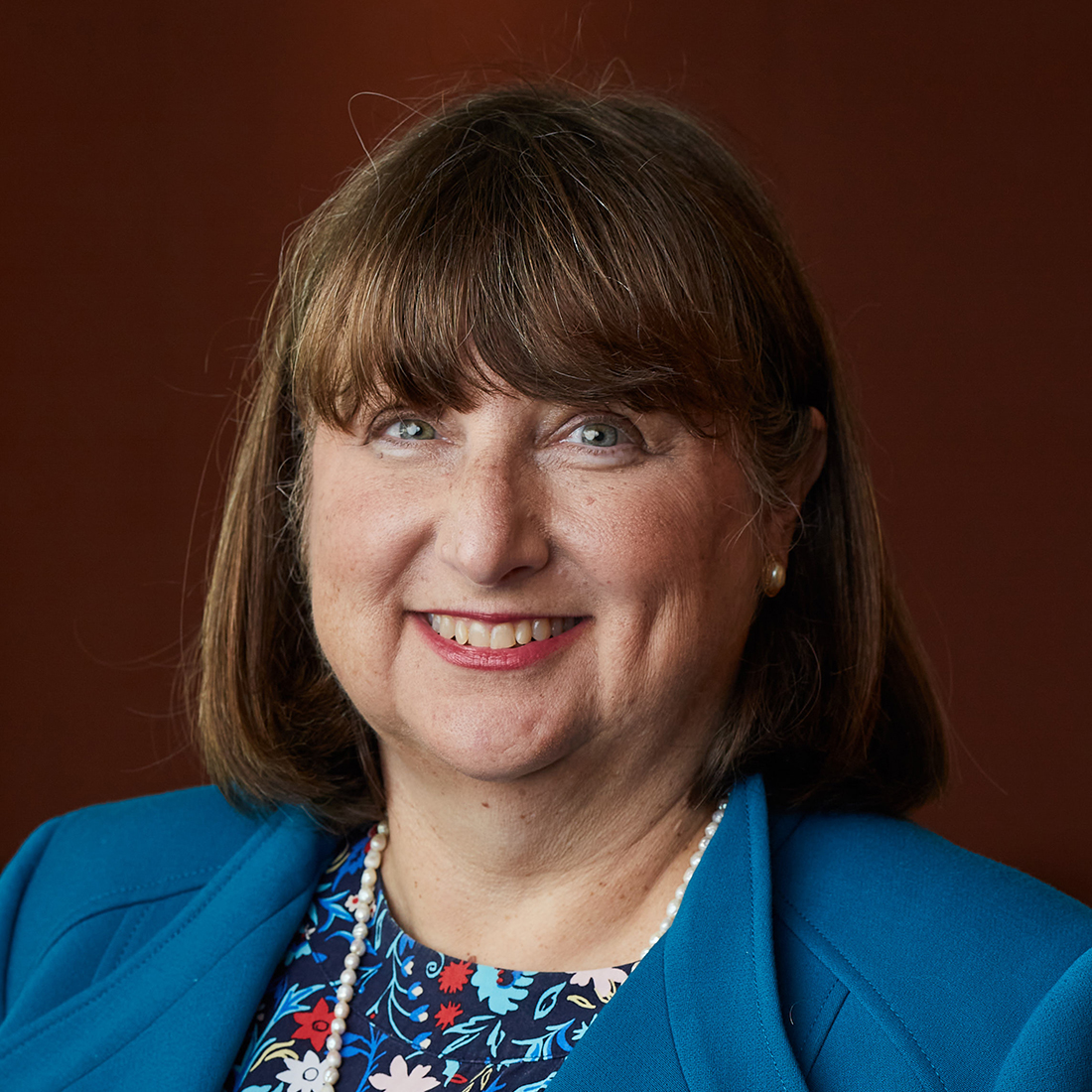
Julie Rovner
KFF Health News
Julie Rovner is chief Washington correspondent and host of KFF Health News’ weekly health policy news podcast, "What the Health?" A noted expert on health policy issues, Julie is the author of the critically praised reference book "Health Care Politics and Policy A to Z," now in its third edition.
Healthcare, in particular its rising costs, is a key issue for voters in both parties this fall. But lawmakers are offering a variety of remedies on the campaign trail, suggesting that neither party has an agreed-upon approach.
Meanwhile, the Trump administration has apparently backed off a plan — for now — to create a political board to review scientific grant awards from the National Institutes of Health. The pause came after public complaints from Senate Appropriations Committee Chair Susan Collins of Maine, who is fighting to retain her seat and, possibly, maintain the GOP majority in the upper chamber.
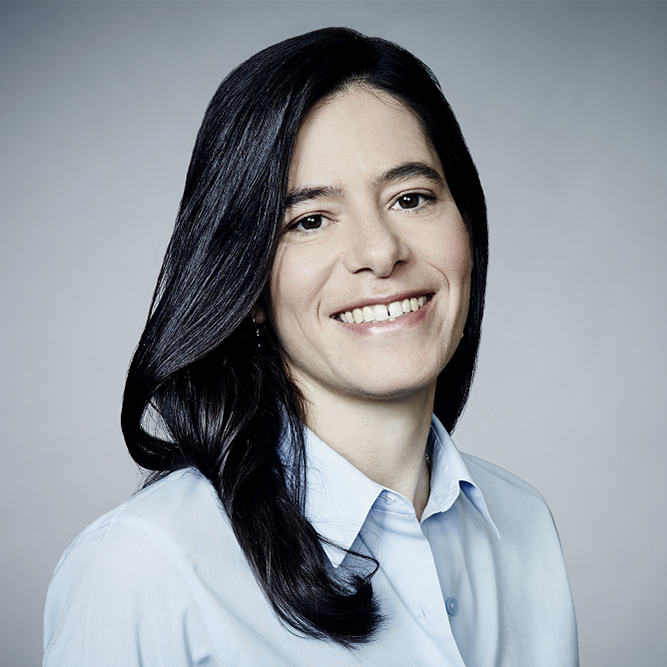
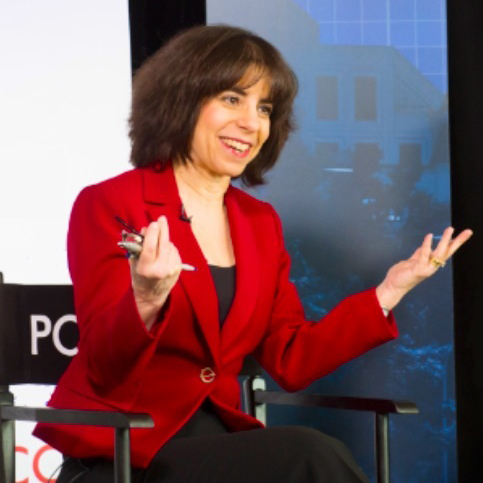
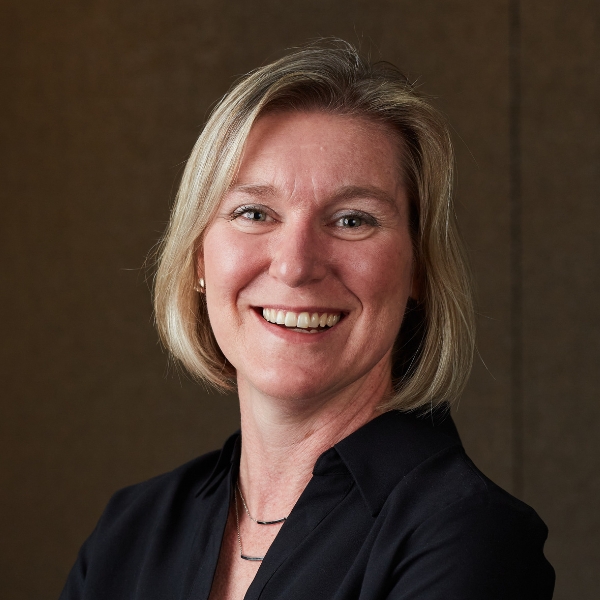
This week’s panelists are Julie Rovner of KFF Health News, Tami Luhby of CNN, Joanne Kenen of the Johns Hopkins Bloomberg School of Public Health and Politico Magazine, and Sarah Jane Tribble of KFF Health News.
Panelists
Among the takeaways from this week’s episode:
- A new KFF-AP rural-voter polling project found that affordability issues are central concerns in rural America. Overall, 48% of rural voters say the economy is worse off than it was at the start of President Donald Trump’s term, and healthcare is one of the key pain points. Findings also indicate that among rural voters — historically a strong Trump constituency — about half still approve of the president’s job performance. Some of these voters, though, said they may sit this election out. That’s notable because the midterms are often determined by who shows up.
- The Trump administration is pushing its anti-fraud agenda as an election issue, using it as a counternarrative to Democrats’ complaints that Republicans’ refusal to extend covid-era Affordable Care Act subsidies led to a large drop in ACA enrollment this year. This week, Vice President JD Vance announced that the administration was cutting 750,000 more enrollees from Obamacare, alleging they are fraudulently enrolled.
- Despite early suggestions that the administration would back away from the anti-vaccine views pushed by Health and Human Services Secretary Robert F. Kennedy Jr., both he and Trump this past week continued to push anti-vaccine efforts. Kennedy was the keynote speaker at the conference of the anti-vaccine organization he helped found, while Trump in an Oval Office event suggested that currently administered childhood vaccines be divided into five separate doses.

Email Sign-Up
Subscribe to KFF Health News' free Morning Briefing.
Plus, for “extra credit” the panelists suggest health policy stories they read this week that they think you should read, too:
Julie Rovner: KFF Health News’ “The Drugs and Devices Have Been on the Market for Years. But FDA-Ordered Studies Still Aren’t Done,” by David Hilzenrath.
Tami Luhby: The Wall Street Journal’s “RFK Jr.’s Enhanced Security Was Funded With Money From Minority Health Office,” by Liz Essley Whyte.
Joanne Kenen: Slate’s “The Mystery of ‘Medbeds’,” by Molly Olmstead.
Sarah Jane Tribble: Stat’s “GOP Aims To Change Medicare Adviser’s Math So It’s More Favorable to Health Insurers,” by John Wilkerson.
Also mentioned in this week’s podcast:
- KFF Health News and The Associated Press’ “Economic Frustration Tests Trump’s Standing With Rural Voters, New KFF-AP Poll Finds,” by Sarah Jane Tribble, Ali Swenson, and Linley Sanders.
- Axios’ “Midterms’ New Populism: Taking On Health Industries,” by Caitlin Owens and Adriel Bettelheim.
- The Washington Post’s “Secret Contracts Reveal Undisclosed Terms in Trump’s Drug-Pricing Deals,” by Dan Diamond and Riley Beggin.
- The Washington Post’s “White House Budget Chief Pushes for Scrutiny of NIH Grants in Oval Office Clash,” by Dan Diamond and Riley Beggin.
- KFF’s “How TrumpRx Brand-Name Drug Prices Compare to Other Countries,” by Matt McGough, Lynne Cotter, Justin Lo, Imani Telesford, Ashley Ferguson, Avni Gupta, and Juliette Cubanski.
Click to open the transcript Transcript: Healthcare a Vague but Potent Issue for Election 2026
[Editor’s note: This transcript was generated using transcription software. It has been edited for style and clarity.]
Julie Rovner: Hello, from KFF Health News and WAMU Public Radio in Washington, D.C. Welcome to What the Health? I’m Julie Rovner, chief Washington correspondent for KFF Health News. And, as always, I’m joined by some of the best and smartest health reporters covering Washington. We’re taping this week on Thursday, Sept. 24, at 10 a.m. As always, news happens fast, and things might have changed by the time you hear this. So here we go. Today we are joined via video conference by Tami Luhby of CNN.
Tami Luhby: Hello.
Rovner: Joanne Kenen of the Johns Hopkins Bloomberg School of Public Health and Politico Magazine.
Joanne Kenen: Hi, everybody.
Rovner: And my KFF Health News colleague Sarah Jane Tribble.
Sarah Jane Tribble: Good to be here.
Rovner: No interview this week, but plenty of news. So let’s dive right in. We’re less than six weeks away from the midterm elections, and healthcare, particularly its rising cost, is shaping up as a top issue for voters. Sarah, I want to start with you this week because you’re part of a new polling project that KFF is doing with the AP, looking at rural voters. What did our new poll find about rural voters and their views on healthcare?
Tribble: Yeah. Well, the big headline is that 48% of rural voters believe the economy is worse off now, and that leads into healthcare because their key pain points are, not surprisingly, gas, groceries, and healthcare. Those all rank right up above 60% of those who are polled. They polled about 2,200 roughly rural Americans across the U.S. in August, mid-August. So this is a very fresh poll, only focused on rural Americans, which, as we know, is a key voting bloc for [President Donald] Trump and the Republican Party.
Rovner: So … the rural voters tend to be more heavily Republican, right?
Tribble: Yeah, they tend to skew Republican. Yep.
Rovner: But there are fewer of them. So, but they’re a key voting bloc. … What did they find in terms of, you know, their continued support for President Trump and Republicans in general?
Tribble: Yeah. So, you know, it was an interesting survey in the nuance. And what I love about this, and I’ve been covering rural America for four or five years now, exclusively, and there is a lot of nuance in rural America. It’s not a monolith, right? There’s lots of different people. So, while 48% of rural voters believe the economy is worse off now, about half also still approve of Trump’s job performance. And so what we’re finding is the Republicans — I talked to one expert, Tim Slack at the Louisiana State University. He’s a sociology professor. He’s written some books. What he said was he expects Republicans to sit this one out. And we talked to an array of Republicans, and that’s sort of what we heard. And you’ll have to read our story, but that’s pretty much what’s in there.
Rovner: I will link to the story. But that’s really important because I mean one of the things we know about midterms, it’s not just who supports who and who opposes who, but who actually shows up to vote, right?
Tribble: Right. Yeah. And what was really interesting for me, personally — and it’s, like, one of my colleagues and I were talking, and he was like, “You have a front-row seat to the elections,” because, you know, rural Americans, they too tend to come out to vote. They skew older, and they tend to be voters, right? But when I talked to the Democrats, they were certainly going to the polls. They definitely knew who they were voting for. But the Republicans I talked to, for the most part, were very sort of like, Well, I’ll definitely vote for this Republican, but maybe not my Senate seat, because I’m not happy with them. So it was a really interesting sort of pause that they would give.
Rovner: So yeah, it’s an early indication, as we say. Well, healthcare is also playing a role in several high-profile Senate races. Michigan, of course, is a top one, pitting Democrat Abdul El-Sayed, a longtime backer of “Medicare for All,” against Republican Mike Rogers, a former House member who is touting price transparency as his health platform. But health is also showing up in Iowa, where Republican Rep. Ashley Hinson says she’ll fight Big Insurance, while Democrat Josh Turek says he’ll fight Big Pharma. And in Ohio, where Democratic former senator and Affordable Care Act sponsor Sherrod Brown is pushing to rein in insurance company denials, while Republican opponent Jon Husted is both vowing to overhaul the Affordable Care Act and restore the expanded subsidies that expired last year, at least temporarily. So it looks like health is a big issue, but in many different pieces. Am I sort of reading this right?
Kenen: I think, rather than being a healthcare election in great big capital letters — which we’ve all lived through a number of those, both in the primaries and in the generals — I think it’s falling under this larger affordability issue. Like, I think that it now has a whole bunch of dollar signs instead of vowels. And I think healthcare is a big concern for people. We hear about it every day, but it’s part of this longer, Oh my God, life is just too, too, too expensive. And then there’s also this big … distrust of big things, including Big Pharma, Big Insurance, big everything. Right? At the same time, this is a really fast-moving political environment. Well, we all know that since, you know, by the end of the day, it feels like 20 years. And the issue, which started out as the data center issues; it’s now a larger existential fear of AI, and what is going to be done about it, and who is afraid. So this is a really shifting election. Like, what is going to motivate people? And what happens is even more un- … I mean, elections are unpredictable by definition, and this is going to be … like, if it was right today, the Democrats would be extremely happy. But who knows how many news cycles we go through between today and tomorrow? So yes, it’s a healthcare election, but we’re not calling it a healthcare election.
Rovner: I was more thinking that it’s …
Kenen: I mean, existential, getting wiped out is a health issue!
Rovner: I was more thinking, though, that neither party actually has a health platform. I’m sort of struck by how Democrats and Republicans are all talking about health, but they’re all talking about different pieces of it, because we know that within each party there are differences in what they want to do about healthcare.
Luhby: Right, and I think that’s one of the main issues. I mean, the Democrats are talking about how they want to extend the expired Affordable Care Act premium subsidies, which caused a lot of premiums to go up for many millions of people, but they also want to reverse the Medicaid cuts and the [One] Big Beautiful Bill. But then you also have the other side, where they’re talking about Medicare for All among the progressives, so they’re sort of split within themselves, and they don’t have exactly a unified message. And the Republicans are on the ropes this year on healthcare, as they have been in other elections. And this year, you know, they don’t want to highlight all of the cuts that they’ve made. So they’re highlighting, you know, their efforts to fight fraud. We saw [Vice President JD] Vance’s announcement earlier this week, and they’re touting, many of them are touting the Rural Health Transformation Fund, the $50 billion fund that was in the Big Beautiful Bill, without saying that the Medicaid cuts are going to affect rural America far more than the transformation fund will help them.
Tribble: Yeah, one of the interesting findings in the research study — so, this Rural Health Transformation Program is something I’ve been following pretty closely — and one of the interesting findings in it for rural America is they pretty much hadn’t heard of it.
Rovner: So for all of that effort!
Luhby: Yeah, that’s surprising because so many of the candidates in that, you know, area are touting it on the trail.
Tribble: Yeah, well, and at the same time, though, they also pretty much hadn’t heard of Medicaid changes either. Even people I talked to who had kids enrolled in Medicaid said they were pretty much unaware — maybe some cuts were coming. I did talk to a former hospital worker who said, “Yeah, it’s going to hurt a lot of people.” But she was a Democrat. Most of the people I talked to were unaware of Medicaid, and they also were unaware of the Rural Health Transformation Program and its impact. So I don’t know where that leaves the Republicans, but their messaging just isn’t getting out there on at least the RHT.
Rovner: Well, to pick up on what Tami … oh, Joanne, go ahead.
Kenen: I think people are just very overwhelmed, like, I don’t think — it’s really hard to know, like, people have these gut feelings and these sort of ideological identities, but everybody’s so overwhelmed by everything right now. I even wonder with the polls, like, who even answers their cellphone for it? We already made the shift from landline to cellphones, right? I mean, everybody is just swamped, and some people have just tuned out, and some people just can’t absorb everything that’s out there. So I don’t think voters are that well informed about the facts. I think a lot of people vote on guts and, you know, sort of gut feelings, and I think that’s always been true to a certain extent. But … you can’t poll on whether people are paying attention to polls.
Luhby: One thing that an expert told me a couple of years ago that I thought was really, you know, insightful was the fact that people see their gas prices every time they fill up or every time they pass the gas station. They see the increase in grocery prices every time they go to, you know, buy food or go to a restaurant or so. But they only see their healthcare increases when they need care, or maybe once a month for the premium. So, you know, I think you were right, Joanne, when you said that the healthcare is now sort of lumped into a larger issue of affordability. But the affordability crisis that people are really seeing daily or weekly are gas and groceries, not necessarily healthcare.
Tribble: In my interviews, what I noticed was people — I would like call people, and they were … one guy was at the gas station who was filling up his truck, right? A grandmother talked about how much her groceries were and how her gas and grocery bill every week was $200, which was just a lot for just her, right, in Iowa. And so it’s very salient to them and very tangible, like you said, Tami, that those costs are right in front of them. And, frankly, it should not be overlooked that for a lot of people, they don’t pay attention to diesel prices, but diesel prices have a huge impact on people in rural America, especially, not only because they’re using it for their trucks and the farming equipment, but they just use it more. So these affordability issues, these pocketbook issues and concerns, the messaging on that is not positive for either party right now.
Kenen: And you don’t have to message. You just have to pull out your wallet, right? I mean, all of us can afford our groceries, but I’m aware. I mean, when you go into the store, you see. I mean, I think even people who are not pressed are shopping differently, and thinking differently. So, I mean, I think people aren’t necessarily paying attention to the messaging, but they are paying attention to the lived experience, which, as Tami said, you see on every gas station every time you drive by. Even if you’re in an EV [electric vehicle], you’re aware of it.
Rovner: So, also, as Tami said, the administration seems to be pushing its fraud agenda as its big health issue. As you mentioned, Vice President JD Vance had a press conference Tuesday to announce that the administration is canceling the ACA [Affordable Care Act] policies of more than three-quarters of a million people, who the administration suspects are fraudulently enrolled in the program. Now, one of their indications is that these enrollees haven’t filed a claim. But I did a little digging, and, according to our Peterson-KFF Health [System] Tracker, it’s not at all unusual for people not to file a claim. First of all, most people are healthy most of the time. The bottom half of the population only accounts for 3% of healthcare spending. By comparison, the top 5% account for 50% of healthcare spending. Also, those with the cheapest plans tend to have the biggest deductibles, and now the average Affordable Care Act deductible is nearly $4,000. So even if you do have a medical expense, you’re likely not to bother to file a claim that you know isn’t going to be covered. So I know fraud is one of the really big Republican answers to rising healthcare costs this year, but is it really good politics to announce you’re taking away people’s health insurance, like, the month before people go to the polls?
Luhby: Well, I mean, again, they’re saying that they’re actually not taking away health insurance. If you listen to the press conference, both Vice President Vance and CMS [Centers for Medicare & Medicaid Services] Administrator Mehmet Oz said that a lot of these people are phantom enrollees. That this is all just fraud. That brokers and agents, you know, seeking higher commissions, signed up people who don’t necessarily exist. And they argued that other people may not have known that they had ACA insurance, or they may not be eligible, so therefore they don’t qualify. Now, I’m not necessarily justifying that, but that’s what they’re arguing. They’re not saying they’re ripping it away from, you know, people who, you know, should be on the plans. And then, you know, they are taking some measures against fraud. They’re suspending brokers and agents who are suspected of fraud. They’re going to be more strict with the guidelines. But interestingly, they’re also putting a moratorium on new brokers and agents, which could make it harder for people to sign up in coming months. You know, as you said, Julie, open enrollment. Well, you had said it’s right before the election. It’s also right before open enrollment starts on Nov. 1. So, you know, I think there are probably a lot of brokers and agents, and, of course, the government navigators out there to help people. But, you know, it’s possible that some people may not be able to be helped as quickly because there is now this moratorium. But the discussion of the nonmedical claims, which Dr. Oz also really focused on, is coming from Paragon [Health Institute], which is run by Brian Blase, who was, you know, is a conservative health policy leader and was involved in the first Trump administration, and he’s definitely very involved in this administration as well.
Rovner: And I actually saw some pushback about that, you know, how they are counting people who don’t file a claim. I saw some pushback from the insurance industry that said, you know, they’re double-counting some of these. If you’ve changed plans, if you, you know, even if you were only in a plan for a month and you didn’t file a claim, they’re looking at that as you having been enrolled in that plan all year. So yes, there definitely is some fraud. We’ve known this since my colleague Julie Appleby helped uncover what was going on back in, I think, 2023, definitely in 2024. The Biden administration addressed this; the Trump administration has also already addressed this. But it seems unlikely that they’re going to revoke, you know, 750,000 policies and all of those are going to be phantom enrollees, or people who didn’t know they had coverage. There’s going to be some number of those people who have insurance and assume they have insurance, or who assumed they had insurance and may go to use their insurance and find they no longer have it.
Luhby: Right, and that is, I mean, people have definitely been concerned that some, you know, legitimate enrollees will be caught up on this. And you know that was a question that actually came up in the press conference, and they said, “Well, you know, we worked really hard. We sent FedEx letters. We tried to contact them. We knocked on doors. We went to their houses.” You know, I don’t know if they or the insurers actually did that, but yeah, there are people who are concerned that just giving people 30 days to respond and prove they’re real may not be enough.
Kenen: On the politics level, there’s the two fighting messages, which is, you know, We’re getting rid of the crooks and the fraudsters, right? And then there’s the, more on the Democratic side, They’re taking, they’re ripping health insurance out of people’s hands. And the truth is, there’s, you know, Julie, you all just said, you know, there is fraud out there, and we all know that, and none of us are, I mean, we don’t want to be endorsing fraud. But there’s a policy reason, too. Some of these people who are supposedly not making claims are healthy. You know, like, they just didn’t get sick this year. Doesn’t mean they won’t get sick next year or be in a car accident, or what else? But right now, it’s good for insurance risk pools, it’s good for the ACA, to have healthy people in it. So the idea that we’re going to look for people who don’t have health claims and kick out the healthiest ones is just going to raise costs for the sick ones. It’s what they call the death spiral, right, or the insurance death spiral. So …
Rovner: And it already is raising costs. We know that.
Kenen: Right. Right. So, I mean, there’s something like, on a policy basis, yes, go for the fraud. Make sure it’s really fraud. Stop talking about the individual — although the CMS press release was balanced, it was really, it did not talk about crooked recipients. It really did talk … I went back and read it, because politicians talk about it differently. But the CMS press release was about brokers and fraud on the business side. It wasn’t blaming the individuals. But people hear “fraud,” and, you know, get away from that. Figure out where the fraud is and where the need is and what the smart economic policy — knowing what we know about insurance — is, and don’t do things that are going to raise costs as you scream “fraud.”
Tribble: I guess the question I had actually was, you know, I did not cover this announcement, and, Tami, it sounds like maybe you did, but did they say they were cutting subsidies, or are they canceling the arrangements with the individuals? Like, are they working with the insurance companies, or are they just canceling? I don’t quite understand the actual practical implication of it, basically, what’s happening.
Luhby: That’s also one thing that’s not 100% clear.
Rovner: Yeah, I went back and watched, and yeah, it was all a little bit vague. So, we will see how this plays out. But I guarantee there are going to be people who are not fraudulent who are going to get caught up in this, because there always are. All right.
Kenen: And there’s some people who don’t exist. I mean, there probably really are some phantoms.
Rovner: And absolutely, I mean, I’m sure there are a lot of phantoms. I don’t doubt that.
Tribble: And before you leave the topic, Julie, I think it bears pointing out that all of this is happening, this announcement comes just as people are looking at that open enrollment and looking at their premiums and deductibles and copays going up on the marketplace as well. So it’s just an onslaught against these ACA plans at this point.
Rovner: That’s right. And one of the things we know is that it’s not the greedy insurance companies, as some politicians are saying. Healthcare costs are going up, and therefore premiums across the board in the ACA, in Medicare, in employer health insurance, premiums are going up everywhere. We’re seeing that this year.
All right, moving on. Over the summer, we talked about a regulation from the White House Office of Management and Budget that would impose a layer of political oversight over the grant process, pretty much across the government. Congress has blocked that regulation, at least until December. But late last week, The Washington Post reported that the administration was preparing an executive order to create a political oversight committee just for grants from the National Institutes of Health, basically trying to ensure that all biomedical research funding advances the president’s priorities. It appears, as of Wednesday, the administration is backing off on that, after Senate Appropriations Committee Chair Susan Collins of Maine, who’s battling to keep her seat and with it the possible Republican majority in the entire Senate, she complained publicly about this. But what would it mean if the administration actually follows through with such an overt politicization of the scientific grant process?
Tribble: I mean the power to veto the awards that the National Institutes of Health gives, the huge research portfolio that they have, and use politics to veto that, I mean, it’s just a really interesting battle going on because [NIH Director Jay] Bhattacharya, he, you know, he has long been an advocate of some of these policies that, or these research programs, that are focused on minority populations. So it’s interesting to watch play out. It’ll be interesting to see what the next step is for the administration.
Rovner: Yeah, I mean, according to several news sources, I think this was broken originally by The Washington Post, there was a big fight in the Oval Office last week with Jay Bhattacharya, the head of NIH, a former researcher who’s received NIH grants, and Russell Vought, the head of the Office of Management and Budget, who’s behind this effort to put a political layer of approval on top of the grant-making process. And, according to the stories, Vought won. Although now … after Susan Collins wrote a strongly worded letter, that I actually snidely said, “Well, this isn’t going to have much impact.” Clearly, it did. So I was wrong. And again, as I point out, Collins is also is embattled right now and needs to keep her seat. And it would behoove the administration for Collins to keep her seat and keep the Republican majority. But, you know, there seems to be a lot of pushing and pulling in this administration about, you know, how much they want to try and basically take away Congress’ ability to determine how this money gets spent. It’s $47 billion for NIH every year, and Congress has long, you know, bipartisanly, maintained that they get to determine how that money is spent, not the administration. They say, You’re going to spend it this way. The administration’s job is to do that.
Kenen: The other thing is this fight, you know, which Collins has won for now, this panel overseeing your final review of grants, is not the politicization of science. The politicization of science started on Jan. 20 of 2025. NIH grants have been cut. We’ve all seen the wars. You know, like, “wars” is not too strong a word between the administration and leading research universities. The funding that’s been cut. Those are very NIH-funded institutions — Harvard being the one that’s sort of most in the headlines consistently, but it’s not just Harvard. There’s a list of banned words that if, you know, “diversity” and things like that, that you can’t get funded for. So there’s all sorts of politicization of science that has already occurred, that has been, is occurring every single day. This would have taken it to another level. Collins, for now, has won, and she has some — there’s a few other voices speaking up. I noticed that Sen. [Dave] McCormick, from — I believe … I’m saying his name right, Julie, correct me. I’m going to say that again. If it’s wrong, tell me later. I believe Sen. McCormick of Pennsylvania, a Republican of Pennsylvania, has come out with some op-eds and some statements saying, you know, science is important. Science cures. Science also is great for our economy. Science is a driver of … the ROI [return of investment] on NIH is high. So the politicization isn’t starting. … This was an attempt to escalate it, and we’ll see where it goes. I mean, Collins has been pretty consistent on this. She did get the temporary blockage of related proposals …
Rovner: The regulation, yeah.
Kenen: Yeah. So this has been a consistent issue for her, and, you know, I think she’s been successful so far.
Rovner: Well, I think, and I’m so glad that you said that. You know, this all, the politicization of science started when this administration, you know, took office because I think that’s been one of the undercovered stories, really, of last year and this year, about how the nation’s entire biomedical research establishment is struggling under not just the cuts and the delays imposed by the administration, but the uncertainty and their inability to plan. The Harvard Crimson has two interesting stories this week related to this. In one, the Harvard School of Public Health is considering approaching some major health corporations, including UnitedHealthcare and CVS/Aetna, to help make up for the federal funding cuts that they’ve seen. Just two days later, the Crimson reported that three current and former Harvard researchers, one each from the medical school, the School of Public Health, and the Kennedy School of Government, are all leaving Harvard to go to Canadian universities. We’ve talked about a potential brain drain before, as European universities kind of upped their recruiting of American scientists. Are we actually seeing this exodus start? I mean, biomedical research, as you pointed out, Joanne, you know, the return on investment for biomedical research in this country has been huge. This is an enormous and bipartisan engine of economic development in this country, and people are sort of not paying attention as it’s kind of crumbling.
Kenen: It’s not just scientists either. I mean, first of all, it’s not just Harvard. There are academics from across the country. I do not have the numbers. I can’t cite you an … accurate number. But scientists, researchers, and the social sciences and humanities too. I mean, there are academics, not just the international ones, who have to go home for some of the students, but the American academics in science and non-science have left the country in numbers that are worth paying attention to. Although it’s not like they’ve all gotten into, like, you know Noah’s Ark. … But the other thing is it’s not just future science. They have cut large numbers of clinical trials that were already underway, which means that we’ve lost the investment we already made, and that people, you know, who’ve been given their time and volunteered for these trials also don’t get, they got cut off from them. So, I mean, I just — it’s not a left-right thing. I just don’t understand the common sense of stopping a cancer trial midway or stopping an Alzheimer’s trial or anything else midway and throwing out the money and the knowledge, because these are not partisan. Republicans and Democrats agree that cancer is bad, you know, like Republicans and Democrats, and I dare say independents, don’t want to get Alzheimer’s or see their loved ones get Alzheimer’s. I’ve just never totally understood why this has been seen by top officials in the Trump administration as a good thing.
Tribble: I mean, I think we need to go back to what you said, Joanne, which is January 2025. There were two executive orders on “woke” things, right? Diversity, inclusion, and all that. And I have not been focused on these particular grants, but I’ve been writing about the Digital Equity Act from a broadband standpoint that affects, you know, tons of rural Americans and their ability to do telehealth, for example, and things like that. And that act has been under fire from President Trump, and they have been using those executive orders as a way to sort of attack not only science and research and the things that we watch here with the federal agencies, but across the board in the administration. If it’s considered a “woke” mandate, they’ve gone after it. So I think we do have to go back to that and look at those executive orders and say that’s the game plan. Right? And so I just wanted to note that. I do think these grants have been undercovered. I think this research has been undercovered. But I also think across the board with this administration, those executive orders have had a large impact.
Rovner: Yeah, you know, we talk about how executive orders don’t have the power of law. Although, I will say, in this administration, executive orders have had a lot of power to actually do things, as we’ve pointed out, sometimes maybe not legally. You know, sometimes we’ve had courts step in to stop them. But this administration has always been: Do it first and ask permission later. All right, we’re going to take a quick break. We’ll be right back.
So I am old enough to remember when we were told that Republican pollsters told the White House to stop talking about — and stop HHS [Health and Human Services] Secretary Robert F. Kennedy Jr. from talking about — vaccines, because anti-vax sentiment wasn’t popular with voters. Well, that advice didn’t seem to age well. Last week, we had RFK Jr. giving the keynote at a conference of the group Children’s Health Defense. That’s the anti-vax organization he helped found. In his hourlong-plus speech, Kennedy told the group that it has a “strong and steadfast friend” in Donald Trump, among other things, and promised new studies into the effects of electromagnetic fields and contrails, the water vapor clouds emitted by jets. Meanwhile, Trump himself doubled down on his earlier vaccine comments — this time, urging the drugmakers divide regular doses of vaccines into five separate doses. It’s not clear which vaccines he was talking about. In an effort to reduce autism, this, despite the fact that vaccine doses are carefully tested already, and there is no evidence that any vaccine or combination of vaccines has anything to do with causing autism. Do they care more about the anti-vaccine base and maybe getting them out to vote, or do they just not care that much about the majority of voters who believe that vaccines are, on balance, you know, a good thing?
Tribble: I mean, I think that they are out campaigning, right? Like they are worried about the midterms, and they have sent Kennedy out to rural areas, in particular, which is why I know about this, to campaign on this. He’s been in Iowa trying to draw that MAHA crowd. So the anti-vax movement is part of the Make America Healthy Again movement, and it’s true that more people tend to believe that they can favor Make America Healthy Again — they tend to be folks who are also in the Make America Great Again camp, too, and have that identity. So if they can gin up the base, then I think they’re going to try to do that before November.
Rovner: Yeah, back to what we were talking about at the beginning. It’s all a matter of who turns out.
Kenen: The health part of, not MAGA, but MAHA is not all anti-vax, right? And some surveys have shown that many of them do vaccinate their children. And they’re concerned about pesticides. They’re concerned about ultraprocessed foods. They’re concerned about other things that, you know, many people would actually agree on, although they may identify more with the MAHA movement. So even within MAHA … they don’t all agree with Kennedy on vaccines. But I mean, I agree with Sarah. The timing of this and the intensity of this, as people are dying from measles, which Kennedy says they’re not — I think they see that in certain counties or areas of the country, the rejuvenation of the anti-vax conversation and orders and so forth is probably a voter intensity issue for them. Trump has never called for no vaccines. Trump has never said polio vaccine was a fake. I mean, he hasn’t gone anywhere near. He’s really in that, sort of, we have to change how we vaccinate, rather than we don’t want any vaccinations. He’s the changing the dose, smaller, you know. And of course, he exaggerates it. You know, those of us who have kids, they’ve never had a syringe the size of a vat. We don’t put vats of chemicals into our children. … I mean, how would they fit? I mean, very small babies. You know, you can put the baby in a vat, but you can’t put a vat in a baby. I mean, I agree that the timing is very political, and, you know, there were rumors a few months ago — not even a few months ago — there were rumors a few weeks ago that Kennedy would be out after the elections, and that, you know, Oz might go in. Now, interestingly, Oz has gone on TV and said the measles vaccine is good. Your child, you know, there’s measles out there. Get your kid vaccinated. But he’s not as loud as Kennedy.
Rovner: Or as visible. Well, meanwhile, as we are taping today, the president’s nominee to lead the Food and Drug Administration, White House health policy aide Heidi Overton, is appearing before the Senate HELP [Health, Education, Pensions, and Labor] Committee for her confirmation hearing. It’s only just starting, so we will pick up on what happened there next week.
Next up are drug prices. President Trump last Friday held yet another event at which he bragged about lowering drug prices. But I keep wondering: Has he really? Yes, drug prices are down a bit — not the 80% or 90% that Trump likes to say. It’s more like 3%. And analysts say at least some of that is due to the Medicare negotiations that were put in place under President [Joe] Biden, but are just now taking effect. So it’s not at all clear how much is due to the deals the president says he’s striking with these drug companies. Public Citizen actually got hold of some of the documents, and the agreements are pretty vague. I guess the big question is whether the public will believe the president when he says he’s lowered drug prices or whether they’ll believe what they see when they go to the pharmacy counter. Back to, again, back to what we were saying earlier. You know, it’s hard to talk about gas prices going down when every time you get in your car and drive, you see them on a big sign. I mean, I guess drug prices might be a little bit easier because not everybody takes drugs. But I’m wondering whether the people who do are believing him when he says this.
Luhby: Right, and this has been, you know, one of his mantras in the first administration as well as now. And I fact-checked both his comments on that drug prices have been down this year and that we have the lowest prices in the world now, which is another thing that he loves to say. He loves to say that he’s strong-armed Germany and France and other European countries to lower their drug prices, which …
Rovner: No, to raise their drug prices.
Luhby: I’m sorry, to raise their drug prices, right? That we’re benefiting because now other countries are paying more and, you know, shouldering more of the burden. And, you know, the international experts that I’ve spoken to say there’s no evidence of that. So no, generally … you mentioned that the drug prices are down a little bit, 3% That’s from the CPI [Consumer Price Index], from the inflation index. But, you know, most experts don’t use that. People I spoke to said that that’s a very faulty measure. It shows the total cost at the pharmacy, but that’s also what insurers pay. So, you know, whether people are paying less, it’s hard to say. And as we know … what people pay at the pharmacy counter depends on their insurance. I mean, yes, there’s deductible issues and all of that, and copay issues, but, you know, that’s a yearlong contract typically, and it depends. And even today, in fact, KFF came out with a new report showing that on TrumpRx — they looked at, I think, 32 drugs, and only about half of them actually did have lower prices than, you know, another comparable country. So it’s very murky. We did get some details from the Pfizer and Eli Lilly disclosures that Public Citizen got, but it’s also very heavily redacted. And [The] Washington Post, that broke the story about this, said that they omit key financial terms, the negotiated prices for drugs, and other provisions, making it difficult to independently assess the agreement’s values to taxpayers or the companies. You know, and I’m sure also to patients. So, you know, it’s unclear.
Rovner: And another thing we know is that people who follow the stock prices of these companies have suggested that it’s not going to hurt the companies very much, which suggests that it’s not going to lower the prices very much. I mean, you can’t — again, we don’t know a lot of specifics, but that’s certainly an indicator that the companies don’t think that they’re going to have to lower their prices enough to hurt their profitability. Let’s put it that way.
Luhby: Right. Some companies have mentioned some headwinds from U.S. pricing and MFN [most-favored-nation], but it’s not been a huge issue for them.
Rovner: Yeah.
Luhby: And from the beginning, I mean, you would think that when Pfizer started this out in September, oh, you know, if this was really a huge issue for Pfizer, their stock price would have plummeted, and, you know, that’s not the case.
Rovner: It has not. Finally, this week, an update on that very sad and strange surrogacy case in California and Alaska and Texas. That’s where a surrogate, who was carrying a baby for a couple, wanted to keep the baby who was born with severe cardiac birth defects. That was after she, the surrogate, refused a request from the couple to terminate the pregnancy after the heart defect was detected in utero. This week, Supreme Court Justice Elena Kagan refused to overturn a lower-court decision allowing the baby to remain in the custody of his biological parents. This may or may not be the last word in this particular case, but I’m sure this is an issue that eventually will get heard by the high court. And good luck to the justices sorting it all out. You know, one of the difficulties that we have seen with some of these cases, with, you know, who really are parents? Is it the people who provide the genetic material or the people who carry the fetus determine what are we going to do when we have artificial wombs? And I think we’re going to go on. And Joanne, did you want to add something?
Kenen: Yeah, most of these are state laws. Most of these surrogate cases are basically a state law, and maybe we’ll see that change. But I also think it’s important to point out that this child, the baby, was born. It does, in fact, have a heart defect, and the biological parents who got the custody, according to the court, are taking care of the baby — I forgot whether it’s a he or she — in the hospital.
Rovner: It’s a he.
Kenen: It’s a he, in the hospital getting the heart care. I don’t think the prognosis is great, but they are doing everything you can to make the baby as healthy and comfortable — from the press reports, I’m not in that hospital room. But this is a family that did not want to have a child with this really serious heart defect born. That is a fact. They wanted the abortion. They didn’t succeed. The courts prevented them from getting the abortion. The woman, the carrier, the gestational carrier, won that. But it is important to note that this couple is doing what I think all of us would, you know, agree: The child is getting medical care.
Rovner: Yes. They have a baby, and they’re doing everything they can to keep him alive and get him well.
Kenen: Other decisions get made down the road, and it’ll be their decision, you know. Hopefully, it’ll have as good an outcome as possible. It’s obviously not easy for anyone who has — I have never had a seriously ill child, but I have had friends who have. It’s unfortunate that the extra legal battle gets imposed on top of what’s, obviously, this is a family that, this is a couple who really wanted kids. You know, surrogacy is not cheap or easy or emotionally, you know, it’s difficult. And this is not a happy story for anybody.
Rovner: It is not. All right. Well, that is this week’s news. Now it is time for our extra-credit segment. That’s where we each recognize a story we read this week we think you should read, too. Don’t worry if you miss it. We will post the links in our show notes on your phone or other mobile device. Tami, why don’t you go first this week?
Luhby: OK. Well, my extra credit is an exclusive Wall Street Journal story titled “RFK Jr.’s Enhanced Security Was Funded With Money From Minority Health Office,” by Liz Essley Whyte. And, you know, we were talking about where the grant money goes. Well, some of it apparently is going for RFK security. So she noted in the story that the cost of the health secretary’s security jumped from about $10 million in the last fiscal year to $17 million this year. And what she said was striking was that HHS told Congress earlier this year that it was moving about $12 million from its Office of Minority Health to help cover the increased security costs. Now, Liz spoke to some internal unnamed sources, who told her that the secretary’s office had discretionary funds that it could have used instead, but it took the $12 million from the minority health fund to deal with across-the-board budget cuts. Now, I didn’t actually realize that this Office of Minority Health was created by President Ronald Reagan after a landmark report found that Black infants in the U.S. were more likely to die than white babies, and you know, among other disparities. And this, the office actually funds grants and efforts to close these gaps. Its budget, its annual budget, is about $74 million. So the other thing that the story noted, as we were discussing, a little different than NIH, but it said that HHS notified 16 nonprofits and universities in August that grants from the Office of Minority Health had been canceled. They were telling the nonprofits that the cancellations were due to limited funding and new priorities, and those new priorities include the root causes of infertility and reproductive health conditions, including low sperm count and erectile dysfunction. So that’s the story. I will say that an HHS spokeswoman told The Wall Street Journal: Secretary Kennedy faces much more serious, a different security environment, and that his protection reflects the threats he faces, his extensive travel, and the security required for him to safely carry out his duties nationwide.
Rovner: OK. Joanne.
Kenen: My friend, colleague, and co-author, Josh Sharfstein at [Johns] Hopkins, flagged this story for me, and he might have used as many exclamation points as I usually use in my email to him. It’s a Slate story. It’s quite a story. A Slate story by Molly Olmstead, and the headline is just called “The Mystery of ‘Medbeds.’” This is a long, involved story where each paragraph gets darker and more mind-boggling than the prior paragraph. The medbeds, in case any of you don’t know, are these fictitious things that Trump tweeted about — or maybe it was, I think, it was Truth Social — about a year ago, and then deleted it the next day. There’s never been an explanation. Medbeds do not exist, but they are believed, by people who think they exist, to cure all illnesses and make us all whole, healthy, probably happy …
Rovner: And long lives!
Kenen: … etc. Right. It’s — as the author, she calls it — a dark fantasy that we will be pain-free, that we will have forbidden knowledge, etc., etc. … Molly Olmstead decided to trace where did this come from. And her first thought was like QAnon, and then, so there’s a section about QAnon, and then .. she goes back. It wasn’t QAnon. Then she goes through New Age. She went to a yurt in Sedona, and she learned about subatomic tachyon, I’m not pronouncing it, particles, and it turns out it wasn’t even New Age. Without being a spoiler, it actually goes back to some people with rather ahead-of-their-time crazy beliefs in the 1960s! So just go read it.
Rovner: Yeah, it’s quite the read. Sarah.
Tribble: First, I just want to say, you know, reporters like the ones you’re mentioning are just amazing. Like, the work they’re doing and that digging into the agency spending and following those trails, and that’s why I picked this other one, John Wilkerson at Stat. My extra credit is “GOP Aims To Change Medicare Adviser’s Math So It’s More Favorable to Health Insurers.” Now, the reason I really like this story is John knows Medicare. He knows MedPAC [the Medicare Payment Advisory Commission]. If you’ve ever sat in that room watching MedPAC discuss things, and then you talk to the experts … find out that Medicare Advantage was supposed to save Medicare money, but never has. Right? I say go read this story. It’s a very interesting analysis, basically, of how it could help insurers, but may not actually decrease Medicare Advantage payments at all anyway. So it’s just another ball down that road, but it’s definitely worth following. And kudos to John for writing it in a way that’s a fun read.
Rovner: My story is also from a colleague who likes to dig for things. It’s from my KFF Health News colleague and cubicle mate, David Hilzenrath. It’s called “The Drugs and Devices Have Been on the Market for Years. But FDA-Ordered Studies Still Aren’t Done.” It’s one of those stories that has been done before but needs to be repeated every so often: that when the FDA approves something with the requirement for postmarket follow-up, that follow-up often does not happen. The FDA has, for generations, tried to walk the fine line between getting promising treatments into the hands of patients as fast as possible while still ensuring that they are safe and effective. An analysis of FDA data found that nearly 600 postmarket studies that were supposed to have [been] done have been delayed, often by years. Which means not just that some products on the market may be causing problems, but even if they’re not, they might not actually be working, which wastes money and keeps patients sick. So, hats off to my colleagues who did this analysis, too.
All right, that is this week’s show. Thanks to our editor this week, Stephanie Stapleton, and our producer-engineer, Francis Ying. A reminder: What the Health? is now available on WAMU platforms, the NPR app, and wherever you get your podcasts — as well as, of course, kffhealthnews.org. Also, as always, you can email us your comments or questions. We’re at whatthehealth@kff.org. You can still find me on X @jrovner, or on Bluesky @julierovner. Where do you folks hang around these days on the socials? Sarah?
Tribble: I’m mostly on LinkedIn, actually. So look for me on LinkedIn: Sarah Jane Tribble.
Rovner: Joanne.
Kenen: I’m more on LinkedIn than anywhere else, too: JoanneKenen on LinkedIn. I’m a little bit on Bluesky, and I still haven’t fixed my Twitter authenticator.
Rovner: Tami.
Luhby: You can find me at CNN.com.
Rovner: We’ll be back in your feed next week. Until then, be healthy.
Credits
Francis Ying
Audio producer
Stephanie Stapleton
Editor
Click here to find all our podcasts.
And subscribe to “What the Health? From KFF Health News” on Apple Podcasts, Spotify, the NPR app, YouTube, Pocket Casts, or wherever you listen to podcasts.
Related Topics
More from KFF Health News