Tracking State Rural Health Transformation Plans
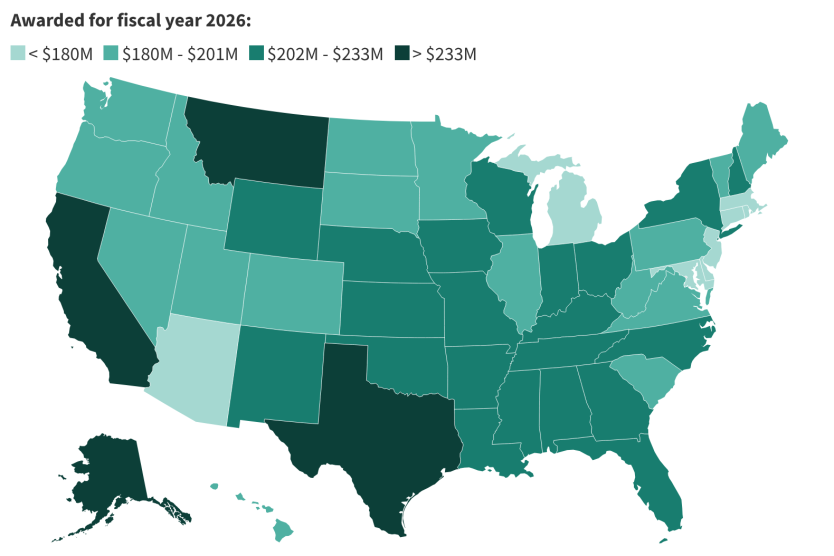
KFF Health News is working to collect and post approved plans as more states respond to emails and public records requests for their documents.
The independent source for health policy research, polling, and news.
KFF Health News covers the health issues facing people who live in America’s rural reaches.
KFF Health News is working to collect and post approved plans as more states respond to emails and public records requests for their documents.
61-80 of 829 results
The state is ramping up to implement the federal work requirements six months ahead of the deadline. But Montana is one of several states already struggling to pay for health services.
Congress' decision not to extend enhanced marketplace tax credits has boosted the appeal of alternative health coverage with lower monthly premiums. Consumer advocates dismiss the plans as "junk insurance,” while proponents say patients need alternatives to pricey marketplace options.
Republicans promise that $50 billion in new health funding will help rural America. But it’s not expected to aid the years-long effort in North Carolina’s Martin County to reopen its only hospital.
A crisis pregnancy center in Sandpoint, Idaho, wants to expand women’s healthcare three years after the labor and delivery unit at the town’s hospital closed and its OB-GYNs moved out of state.
The data behind alcohol-related traffic deaths is well studied. Less understood is the toll of vehicle deaths involving drugs or a combination of drugs and alcohol. Attempts to fix that have been stymied by federal budget and staffing cuts.
A Minnesota Star Tribune-KFF Health News investigation found charity care at hospitals in the state is offered at low and arbitrary levels, prompting Minnesota Attorney General Keith Ellison to say, “There is more work in front of us.”
Some states bar professional midwives from attending home births if they don’t have a nursing license. Their advocates say laws to allow midwife licensing would make home birth safer and more accessible, plus help address a maternity care shortage.
He tested robotic hands on a heart surgery patient and chewed on microgreens in Ohio, but Health and Human Services Secretary Robert F. Kennedy Jr. couldn’t dodge questions about the Trump administration’s more controversial policies.
A Minnesota Star Tribune-KFF Health News investigation of hospital data and charity care programs shows most Minnesota hospitals provide little financial aid to patients and often make assistance difficult to get.
Hundreds of hospitals nationwide are bracing for Medicaid cuts as a result of the One Big Beautiful Bill Act. Some state lawmakers are eyeing loans and other forms of financial aid to distressed hospitals in rural and urban areas, as healthcare providers warn of cuts to critical services and scramble for funding.
A federal agency has dramatically slowed its review of visa waiver applications that allow international physicians completing U.S. training programs to stay in the country to work in underserved areas. The delay may send hundreds of doctors back to their home countries.
Using Hurricane Helene as a teachable moment, a group of doctors outlined concrete steps that lawmakers can take to reverse a crisis in getting substance use medications during natural disasters.
Someone in America dies by suicide every 11 minutes. It’s a tragic and entrenched problem. A new approach to prevention shifts the focus from stopping harm in moments of crisis to upstream policies that give people reasons to live.
A $50 billion federal fund is supposed to modernize rural health with electronic health records, AI, telehealth, and more. But community clinics and rural health advocates fear that the contractors administering the money for states will bite off a big chunk before it reaches rural patients.
A bug bite and an allergic reaction ultimately sent a North Carolina woman to the emergency room, where she had a couple of brief chats with a doctor and a dose of medicine. Now she questions why the charges were so high.
With shortages of medical professionals and an aging population, thousands of community healthcare workers prevent older adults from falling through the cracks.
Work requirements will encourage people who are able to work to seek and maintain jobs, proponents say. But researchers haven’t found that they lower the unemployment rate.
Starting next year, about 18.5 million adults will be subject to new Medicaid work rules in 42 states and Washington, D.C. Applicants must show they’ve been working for at least a month before receiving benefits. Some Republican-controlled states want to triple the required work period.
A rural Nebraska dialysis unit that was hemorrhaging money closed, upending patients’ lives. That’s despite a federal rural health program that granted the state more than $200 million this year to improve health care in rural communities.
As President Donald Trump’s heightened immigration enforcement continues across the country, some states are updating temporary guardianship laws to keep the children of detained and deported immigrants out of state custody.
© 2026 KFF