Tracking State Rural Health Transformation Plans
KFF Health News is working to collect and post approved plans as more states respond to emails and public records requests for their documents.
The independent source for health policy research, polling, and news.
KFF Health News covers the health issues facing people who live in America’s rural reaches.
KFF Health News is working to collect and post approved plans as more states respond to emails and public records requests for their documents.
81-100 of 829 results
Even as the Trump administration publicly embraces the Make America Healthy Again movement and its ideals about reducing corporate harm to the environment, it has taken steps to stall environmental protections that MAHA followers hold dear.
Fourteen states now allow health coverage through state farm bureaus. Though they generally share many features of Affordable Care Act marketplace plans, they aren’t insurance. Neither are they typically subject to federal or state health insurance requirements, and the benefits may be less generous or predictable than those of Obamacare plans.
When the only clinic that offered abortions in Michigan’s rural Upper Peninsula closed, an urgent care facility stepped in to fill the gap. Now, others are considering similar moves as brick-and-mortar clinics close in blue states.
Montana was on track to start reimbursing doulas, who support new and expectant parents, through Medicaid this year. But state officials halted that plan amid a budget shortfall. Other such services deemed optional under Medicaid are at risk nationwide as states brace for federal cuts.
Some people find they owe money back for subsidies if their income changed from what they estimated. In 2026, more people may find themselves in this situation — and face higher repayment amounts — if they don’t carefully track their income.
North Carolina rolled out a $3.1 billion insurance plan for kids in foster care, but many doctors did not accept patients on the plan. The state is one of several experimenting with a model that has left kids’ guardians scrambling to find health care providers.
About 17,000 federally funded health clinics stand to collectively lose $32 billion under GOP-backed fiscal policies in the next five years — just as more uninsured patients will rely on them for low-cost care.
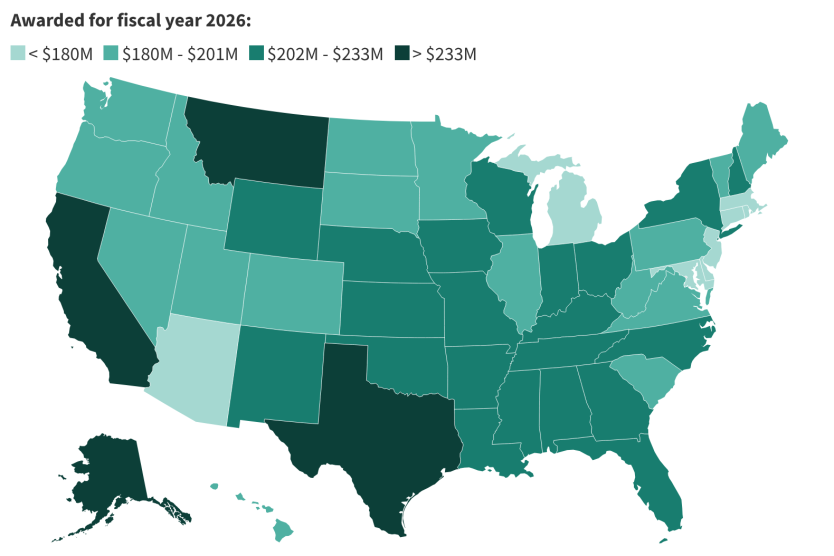
States are rolling out plans for their share of a $50 billion fund meant to improve rural health care. In some states, the money may provoke rural hospitals to cut services.
Adults ages 50 through 64 faced some of the steepest increases in out-of-pocket costs for Obamacare plans after a set of federal subsidies expired at the end of December. Some say they are putting off care or considering dropping health insurance coverage until Medicare picks up the bill.
Some states have tried to crack down on crisis pregnancy centers, accusing them of deceptive practices. But now conservative lawmakers are pushing legislation to increase protections for the organizations, which work to dissuade women from abortions.
Thousands of primary care practices are fighting to remain financially viable and independent. Many are banding together to form Independent Physician Associations, or IPAs, to increase their market power.
Dentists, hygienists, and researchers say a shortage of rural dental care professionals and worsening oral hygiene since the covid-19 pandemic mean more kids are ending up in the emergency room for tooth decay.
KFF Health News journalists made the rounds on national and local media recently to discuss topical stories. Here’s a collection of their appearances.
Iowa patient advocates say that in the face of federal Medicaid cuts, the state is quietly reducing in-home services that help people avoid being institutionalized. National groups are bracing for similar cuts elsewhere.
Some Republican state lawmakers and state health associations are pushing back against spending plans under the Trump administration’s $50 billion federal rural health fund. Federal administrators already approved states’ plans, but in many cases, state lawmakers must greenlight spending.
Mobile crisis units are trained to respond to emergency calls when people are experiencing delusions or hallucinations. But unlike police departments, which are generally funded by local taxpayers, mobile crisis teams don’t have a single, reliable funding source. As a result, some are closing down, despite successful operations and local support.
As the number of cases grows to about 1,000 in the Carolinas, health care workers who’ve never seen the vaccine-preventable disease can get caught by surprise.
At least eight states are considering legislation to curtail wage garnishment over unpaid medical bills, as health care costs rise and more people become underinsured.
The state recently became the third to offer a public option health plan through its Affordable Care Act marketplace. But researchers said it’s unlikely to fill the gaps left by sweeping changes at the federal level.
State officials believe they’ve found a way to extend the life of federal Rural Health Transformation Program money Wyoming is receiving as part of last summer’s One Big Beautiful Bill Act — by investing most of it.
© 2026 KFF