Tracking State Rural Health Transformation Plans
KFF Health News is working to collect and post approved plans as more states respond to emails and public records requests for their documents.
The independent source for health policy research, polling, and news.
KFF Health News covers the health issues facing people who live in America’s rural reaches.
KFF Health News is working to collect and post approved plans as more states respond to emails and public records requests for their documents.
101-120 of 829 results
A planned 10-year federal program called Making Care Primary was supposed to help primary care doctors by easing administrative burdens, allowing them to focus on improving patients’ health. A year after the Trump administration eliminated the program, federal officials created an alternative plan that favors companies.
Alabama, a state with one of the nation’s highest infant mortality rates, is betting on robots to help fix its maternal care crisis. But the state’s plan for telerobotic ultrasounds in rural areas has raised doubts.
After detecting a sudden spike in PFAS in its drinking water, the city traced it upstream along the Ohio River to a factory in West Virginia. But the EPA has relaxed Biden-era plans to regulate PFAS levels. So what happens next?
Tribal insurance programs give Native Americans access to affordable health care when the Indian Health Service falls short. Those plans are threatened by the expiration of enhanced Affordable Care Act subsidies.
Experts say Affordable Care Act sign-up data won’t be clear until people who were enrolled have paid — or haven't paid — their new, often much higher, premiums.
Ballad Health, the nation’s largest state-sanctioned hospital monopoly, plans to rebuild Unicoi County Hospital on land that two climate modeling companies say is at risk of flooding.
A Wisconsin retiree with glaucoma needed her eyes examined. Her Medicare Advantage plan from UnitedHealthcare listed her optometrist’s clinic as in-network, but she learned the hard way that a clinic can be in-network and out-of-network at the same time.
Breakups between insurers and health systems, on top of plan cuts, left more than 3.7 million Medicare Advantage enrollees facing a tough choice last year: find new insurance or new doctors. But hospital systems say their Advantage plans can avert such upheaval, giving patients peace of mind.
KFF Health News journalists made the rounds on national and local media recently to discuss topical stories. Here’s a collection of their appearances.
More than a quarter of the agricultural workforce purchases health insurance through the individual marketplace, a much larger share than the overall percentage of U.S. adults. After a tough year for farmers, the loss of enhanced ACA subsidies is putting health insurance out of reach for many.
Get our weekly newsletter, The Week in Brief, featuring a roundup of our original coverage, Fridays at 2 p.m. ET.
Native American women face higher rates of death than other demographics. In response, Native Americans have been working with state and federal officials to boost tribal participation and leadership in maternal mortality review committees to better track and address pregnancy-related deaths.
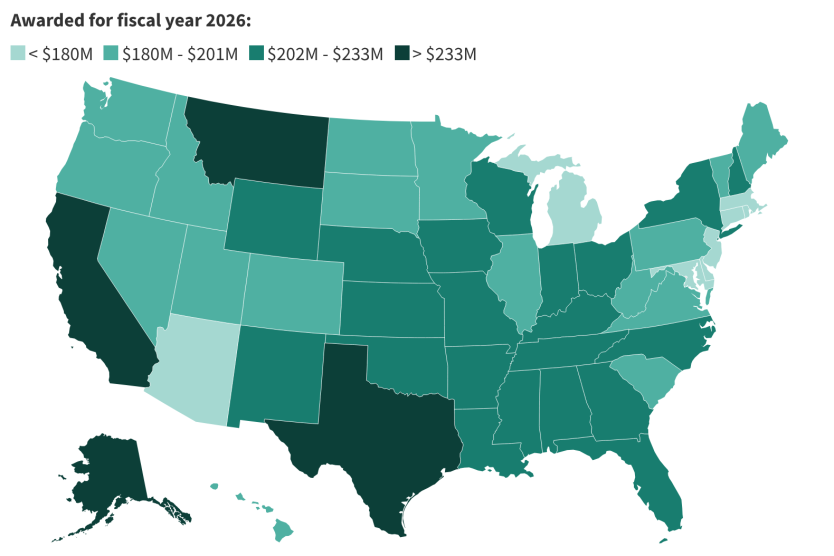
Every state will receive at least $100 million annually from the federal Rural Health Transformation fund, but some scored millions more based on how the Centers for Medicare & Medicaid Services judged the “quality” of their plans and willingness to pass policies embracing "Make America Healthy Again" initiatives.
“Make America Healthy Again” policies driven by HHS Secretary Robert F. Kennedy Jr. have made major strides in state legislatures, with food additives among the most common targets. The trend is expected to continue this year.
Programs like Jamboree Housing Corp. have leveraged Medi-Cal funding to offer residents access to social services that experts say are key to keeping them off the streets. California intends to keep it that way, despite federal cuts.
An estimated 4.8 million people are expected to go without health coverage because Congress did not extend enhanced subsidies for Affordable Care Act plans. But even without a health plan, people will need medical care in 2026. Many of them have been thinking through their plan B to maintain their health.
KFF Health News journalists made the rounds on local and regional media recently to discuss topical stories. Here’s a collection of their appearances.
Congress returned from its break facing a familiar question: whether to extend the expanded subsidies for Affordable Care Act health plans that expired at the end of 2025. Meanwhile, HHS Secretary Robert F. Kennedy Jr. broke a promise to Bill Cassidy, the chairman of Senate health committee, by overhauling the federal government’s childhood vaccine schedule to reduce the number of diseases for which vaccines will be recommended. Sarah Karlin-Smith of Pink Sheet, Alice Miranda Ollstein of Politico, and Lauren Weber of The Washington Post join KFF Health News’ Julie Rovner to discuss those stories and more.
Meth is a problem most everywhere, but particularly in Indian Country. On the Crow Indian Reservation in Montana, new buildings serve as symbols of a town trying to rebuild after being devastated by addiction.
Millions of people gained health coverage under the Affordable Care Act, reducing pressure on counties in states that fund care for the uninsured. With federal policies expected to reverse that trend, county officials wonder how they will fill the gap — and who will pay for it.
© 2026 KFF