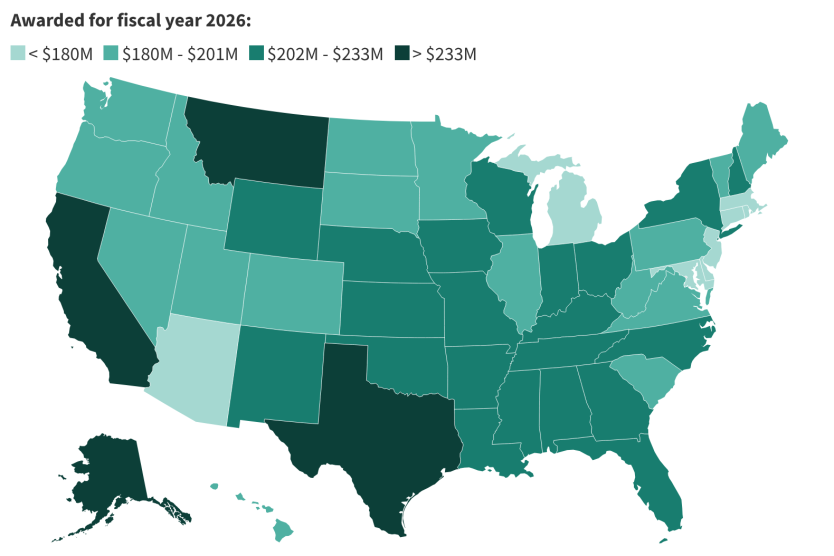
Tracking State Rural Health Transformation Plans
KFF Health News is working to collect and post approved plans as more states respond to emails and public records requests for their documents.
The independent source for health policy research, polling, and news.
KFF Health News covers the health issues facing people who live in America’s rural reaches.
KFF Health News is working to collect and post approved plans as more states respond to emails and public records requests for their documents.
241-260 of 829 results
Colorado was long considered a haven for gender-affirming care. But under this Trump administration, hospitals in the state have limited the treatments available for people under 19. Some services have been restored, but trans youth and their families say the state isn’t the rock they thought it was.
Get our weekly newsletter, The Week in Brief, featuring a roundup of our original coverage, Fridays at 2 p.m. ET.
Amid a youth mental health crisis and a shortage of inpatient psychiatric beds, residents of a St. Louis suburb opposed a plan to build a 77-bed pediatric mental health hospital. Resistance to such facilities has occurred in other communities as misconceptions about mental health spur fear.
Preventing and detecting bird flu infections among farmworkers is a key defense against a potential pandemic. Immigration raids and threats have undermined these efforts, researchers say.
Amid the Los Angeles wildfires, California's U.S. senators cosponsored legislation that would provide support to first responders who develop or die from service-related cancers. But those involved with similar efforts say the road to implementation is rough and paved with long waits, restrictive eligibility requirements, and funding issues.
Technological gaps handicap rural hospitals as billions in federal funding to modernize infrastructure lags. The reliance on outdated technology and piecemeal systems challenge staffs and erode patient care.
Some rural hospitals have canceled — or are considering ending — contracts with insurance companies that offer Medicare Advantage plans, saying the private policies jeopardize their finances and impede patient care.
The GOP-controlled Congress is weighing cuts to Medicaid, the government health program that covers millions of Americans — including nearly 40% of Louisianans represented in the House by Speaker Mike Johnson.
As House Republicans mull a massive $880 billion cut from federal programs likely including Medicaid, constituents, disability advocates, and health care providers are joining forces to lobby GOP members in California — including those who represent rural, deeply conservative pockets that stand to lose the most.
A bill designed to force PBMs to pay higher fees to independent drugstores sailed through the state House, but lobbyists are marshaling their forces to kill the measure in the Senate.
The anti-fluoride movement has more momentum than ever. In rural counties with few dentists, tooth decay could surge to levels that have not been seen in decades, experts warn.
Bills before the legislature would license community health workers and make it easier for some other health professionals licensed in other states to do business in Montana.
As politicians demand that more Medicaid recipients work, many people with disabilities say their state programs’ income and asset caps force them to limit their work hours or turn down promotions.
Union Health has made a new bid to buy its only rival hospital in Terre Haute, Indiana. The system passed one hurdle after lawmakers watered down a bill that threatened the proposed deal. That means the merger will now face a likely showdown with Indiana’s new governor.
As Congress mulls significant cuts to Medicaid, Native American tribes are bracing for potentially devastating financial fallout. That’s because Medicaid is the largest third-party payer for Native American health programs, funding that has helped address chronic underfunding of the Indian Health Service.
Get our weekly newsletter, The Week in Brief, featuring a roundup of our original coverage, Fridays at 2 p.m. ET.
Many patients ready to leave the hospital end up lingering for days or weeks — occupying beds that others need and driving up costs — because of a lack of open spots at nursing homes and rehabilitation facilities. A few health systems are addressing this problem by moving post-acute rehab into the home.
The latest outbreak of bird flu has upended egg, poultry, and dairy operations, sickened dozens of farmworkers, and killed at least one person in the U.S. KFF Health News national public health correspondent Amy Maxmen explains why scientists are worried.
Nearly 3 million Americans live sicker, shorter lives in the hundreds of rural counties where doctor shortages are the worst and poor internet connections mean little or no access to telehealth services.
Amid doctor shortages, several states have stopped requiring foreign-trained providers to repeat residencies before they’re fully licensed. Critics say patients could be harmed because of the loosened training requirements.
© 2026 KFF